
The Ultimate 10 Day Namibia Travel Itinerary
Namibia is full of vast, dramatic landscapes with roads quiet enough that you’ll often have entire stretches of desert completely to yourself. This 10 day Namibia travel itinerary covers everything from Etosha’s game drives to the towering dunes of Sossusvlei, with a few unexpected highlights along the way: desert elephants, meerkat and seal encounters, and cycling through endless sand dunes.
Day 1: Windhoek
If you are flying into Namibia, the capital, Windhoek will be your first stop. This is the best place to start your trip to pick up your hire car, gather supplies and get a local SIM card from MTC (as for some reason esims are super expensive and don’t really work here). We have friends who did the land borders at both Botswana and South Africa and they all wished they’d done our itinerary as it saved time, miles and money.
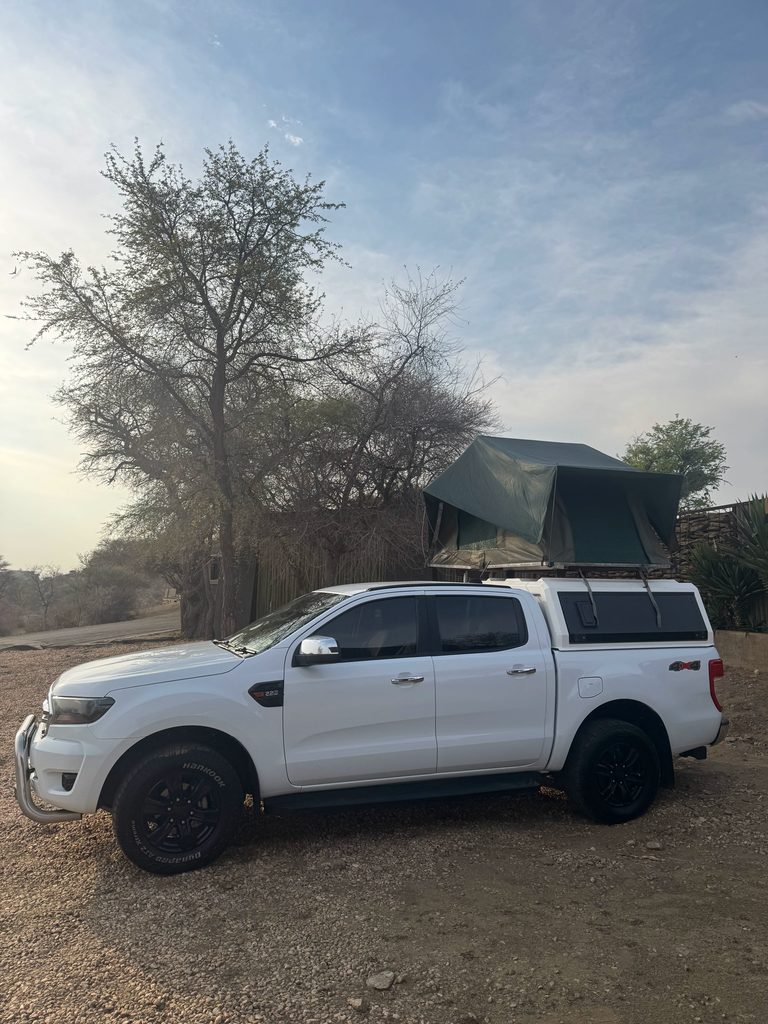
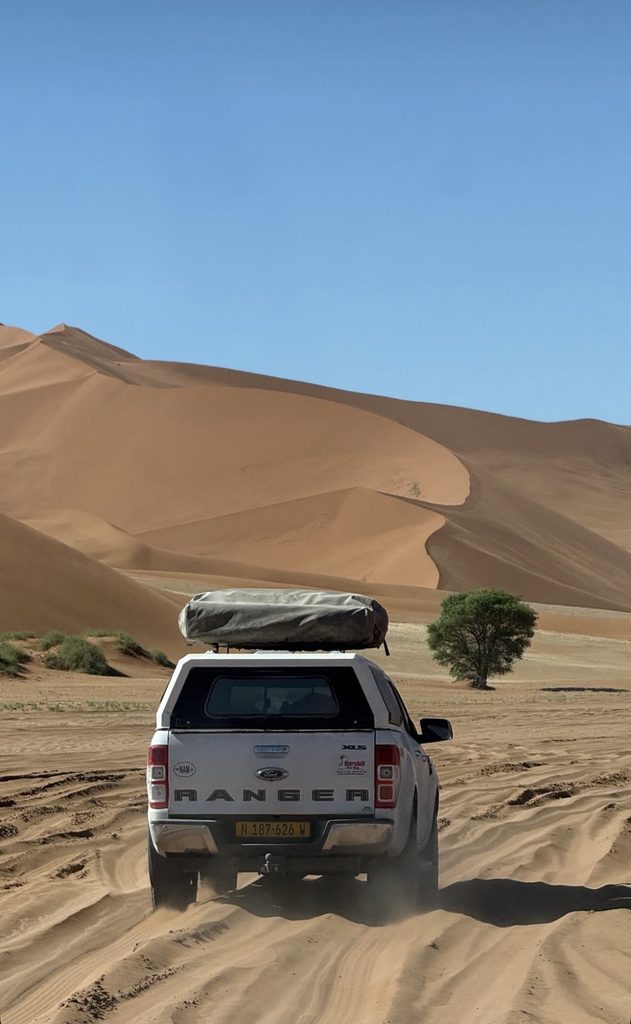
My husband and I hired our rooftop tent with Hornbill Car Hire. They are the company I found with the most reasonable prices that still had amazing reviews. We had a great experience with them and would highly recommend them as a company. Whichever company you go for, just make sure to book at least 6 months in advance if you are travelling in peak season (July- October) as companies almost always sell out.
Some people plan to head out to their first stop day 1 but I would recommend against it as airport immigration, picking up the car and buying groceries and a SIM card end up taking us 5+ hours. This combined with the fact you are not recommended to drive after dark in Namibia (due to risk of killing animals) is why we recommend you stay here for your first night.
Where to stay:
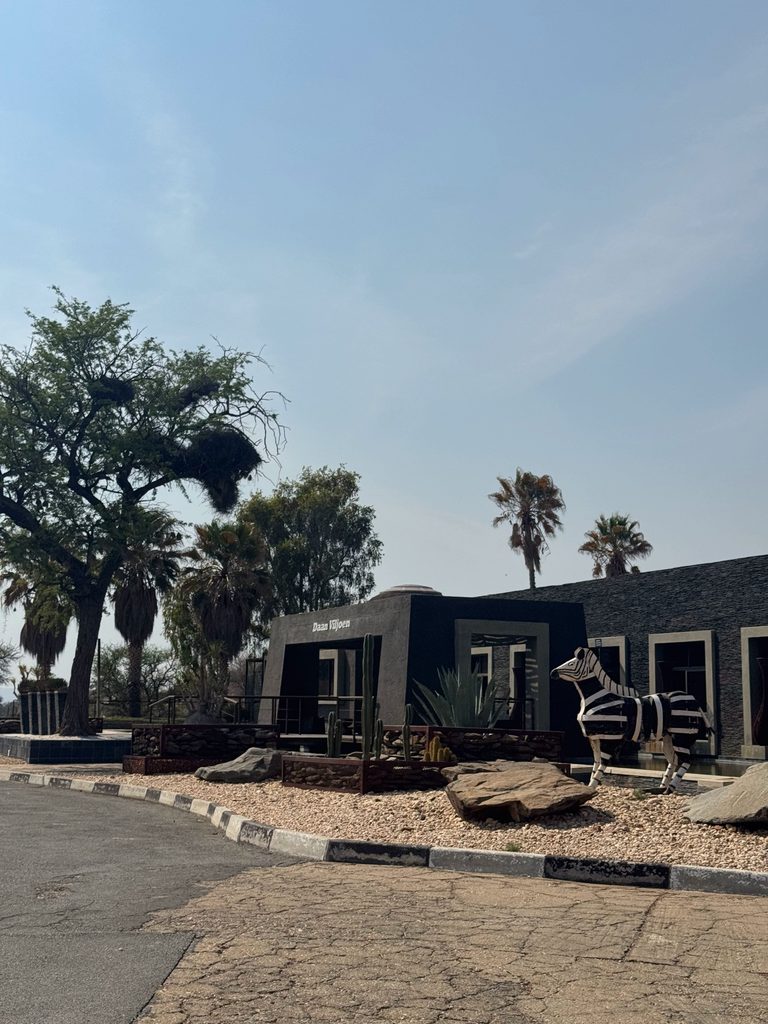
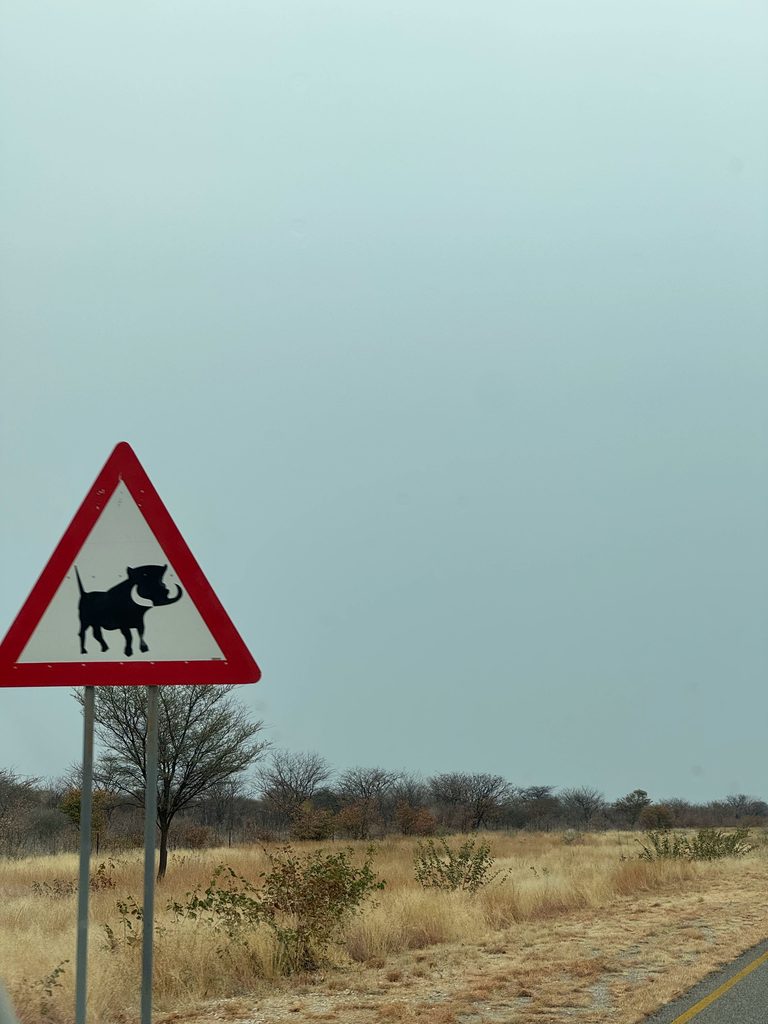
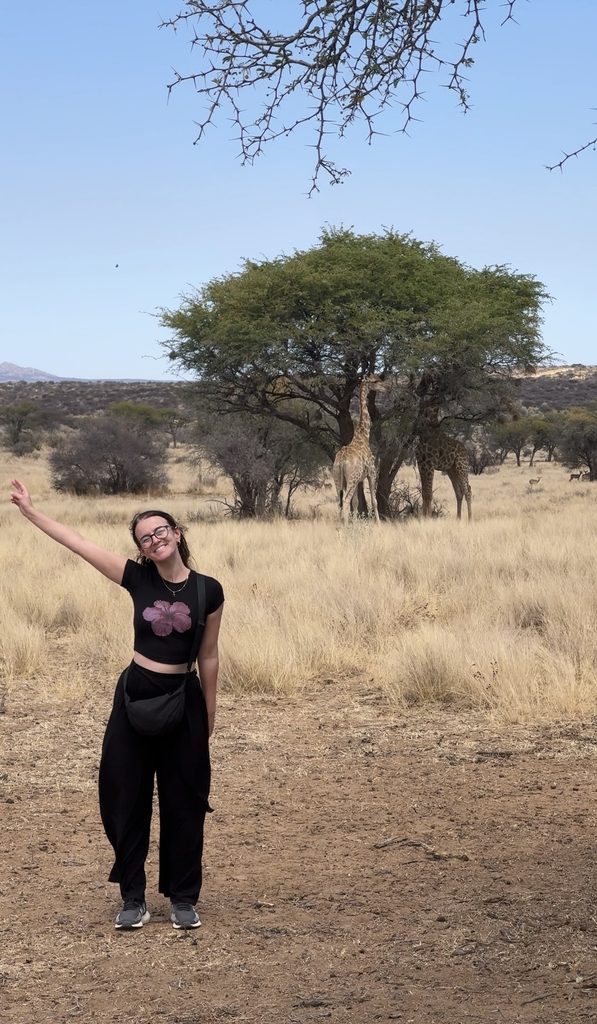
If you are keen to see some wildlife ASAP, I would recommend staying at the nearby Daan Viljoen Lodge. It is the closest public game reserve to Windhoek. We camped here and saw ostriches, giraffes, baboons and wildebeest.
If you would rather stay in a Hotel in the city, I would recommend Bryan’s View.
Day 2: Travel to Etosha
Drive Time: Daan Viljoen → Etosha Trading Post: 4h20.
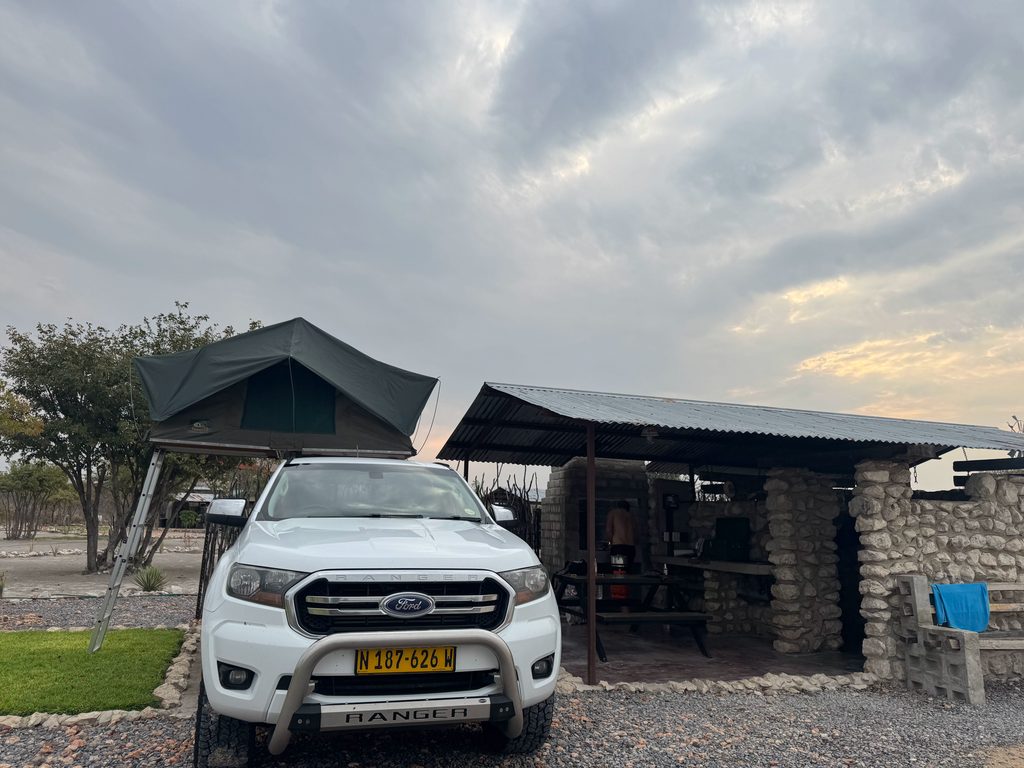
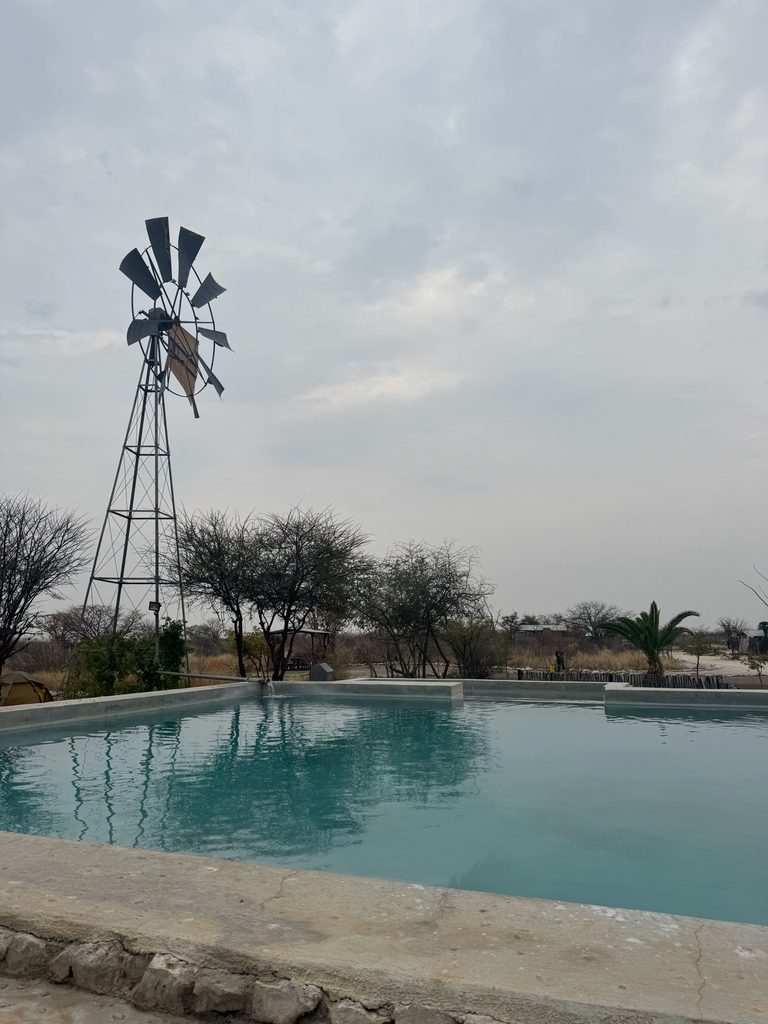
We opted to have a slow travel day and spend the night outside Etosha to be able to enter the next morning and have a full 48 hours inside the National Park. Make sure to get any last supplies in Outjo (the last big town en route) and fuel up at Etosha Trading Post Petrol Station (as fuel inside the park is notoriously unreliable).
Where to stay:
Days 3-4: Etosha National Park
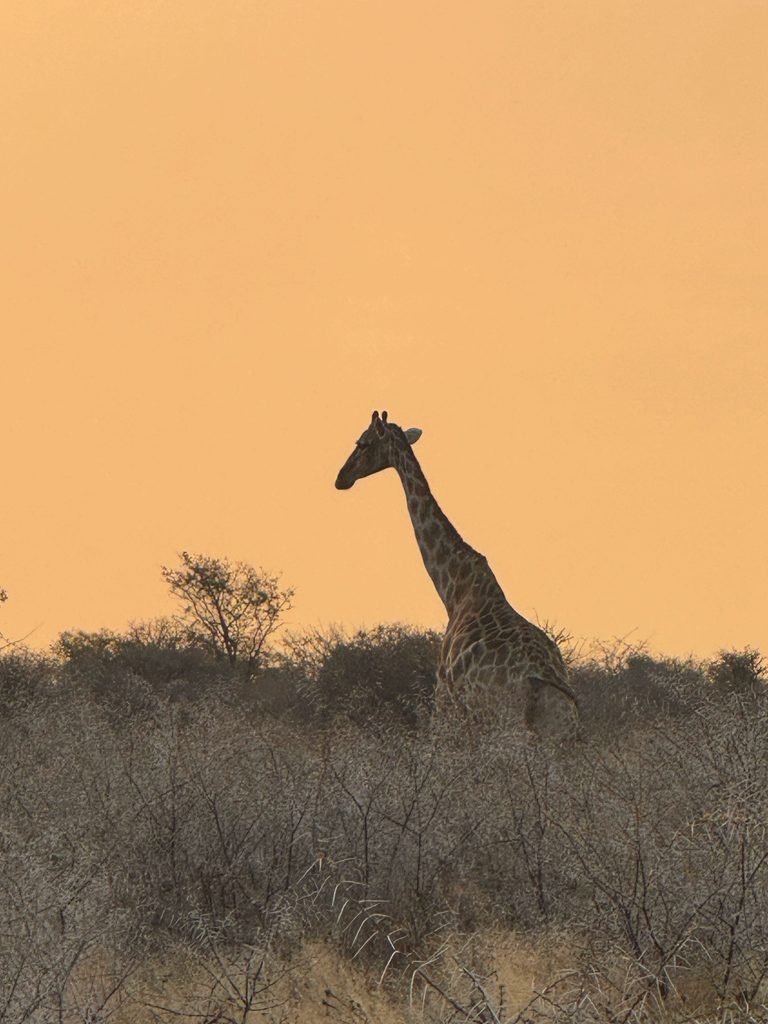
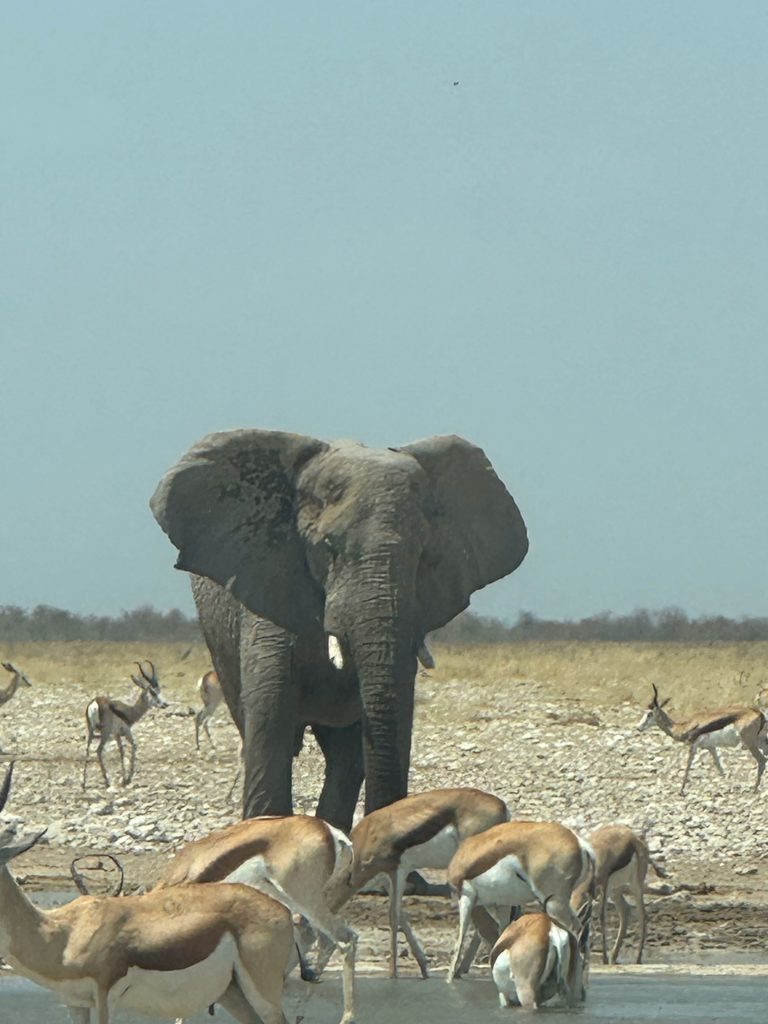
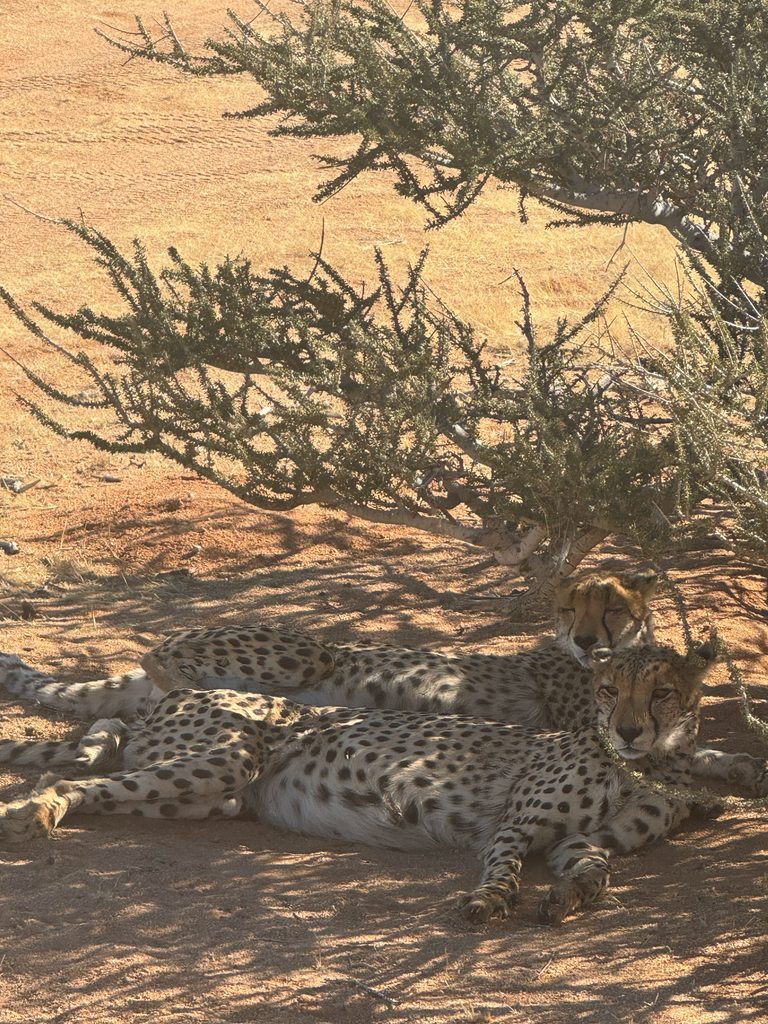
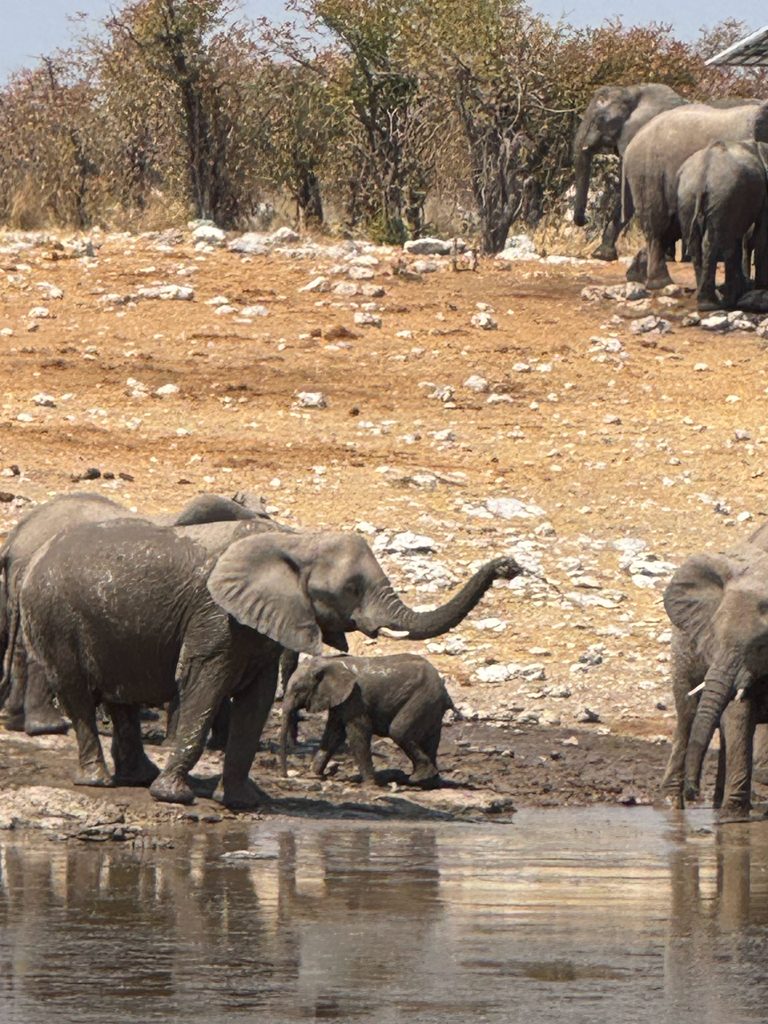
Enter Etosha through the Andersson gate mid-morning and then its time to get your binoculars out as you’re on safari! In the 48 hours we were inside the park, we saw pretty much every animal you can hope to see whilst on safari. You can see it all for only £13/$17 per person, per day- a fraction of the price of a normal safari anywhere else in Africa!
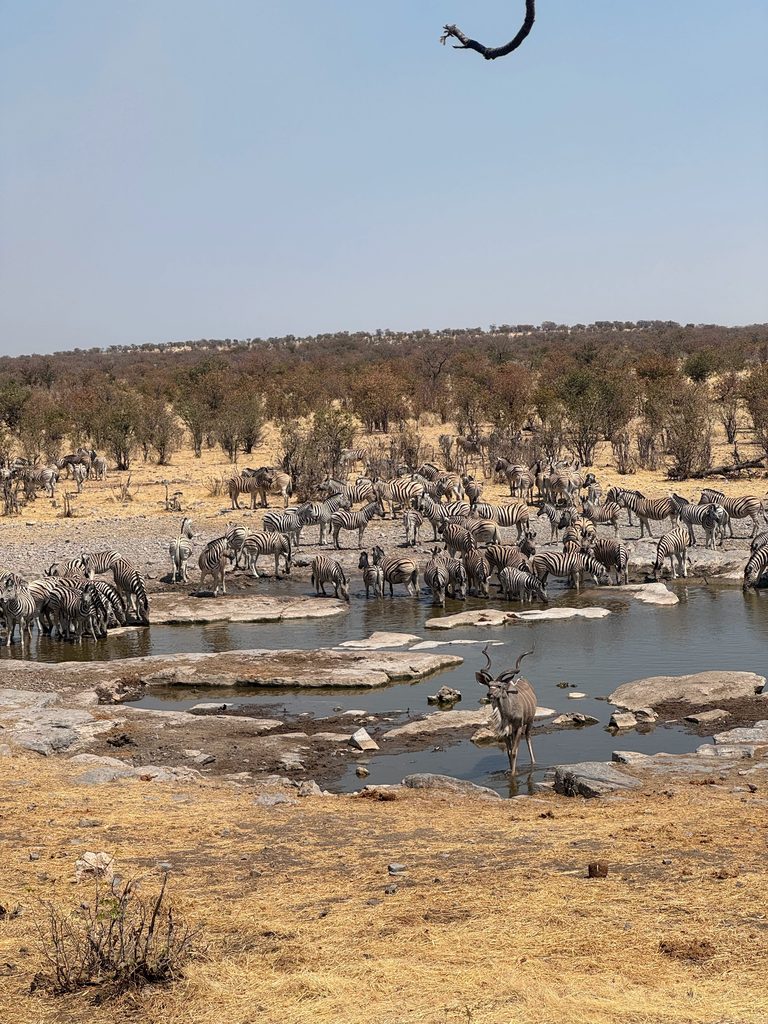
A few things worth noting about Etosha:
- From 2026 for the next few years, they will be doing major roadworks in Etosha so you will most likely have to take some massive detours whilst here. It’s not the end of the world as it just means more game drive time/more animal spotting but it is worth factoring in some extra time to ensure you get to your campsite/exit the National Park on time.
- Some of the roads (especially the detour to Halali camp) are very bad so please drive carefully.
- You can bring raw meat into the park but not back out again so don’t buy too much before entering.
- Do not drive more than 60 km/h inside the park or exit your car at any point outside the campsites or you will get a hefty fine ($1000 for getting out of your car) and be told to leave the National Park immediately.
- Download offline google maps and maps.me before going into the park as signal everywhere other than inside the campsites is non-existent.
- Make sure to be at your campsite before sunset: driving inside the park between sunset and sunrise is strictly forbidden.
- Try and travel here during dry season as your chances of spotting wildlife is much easier because most animals congregate at the watering holes.
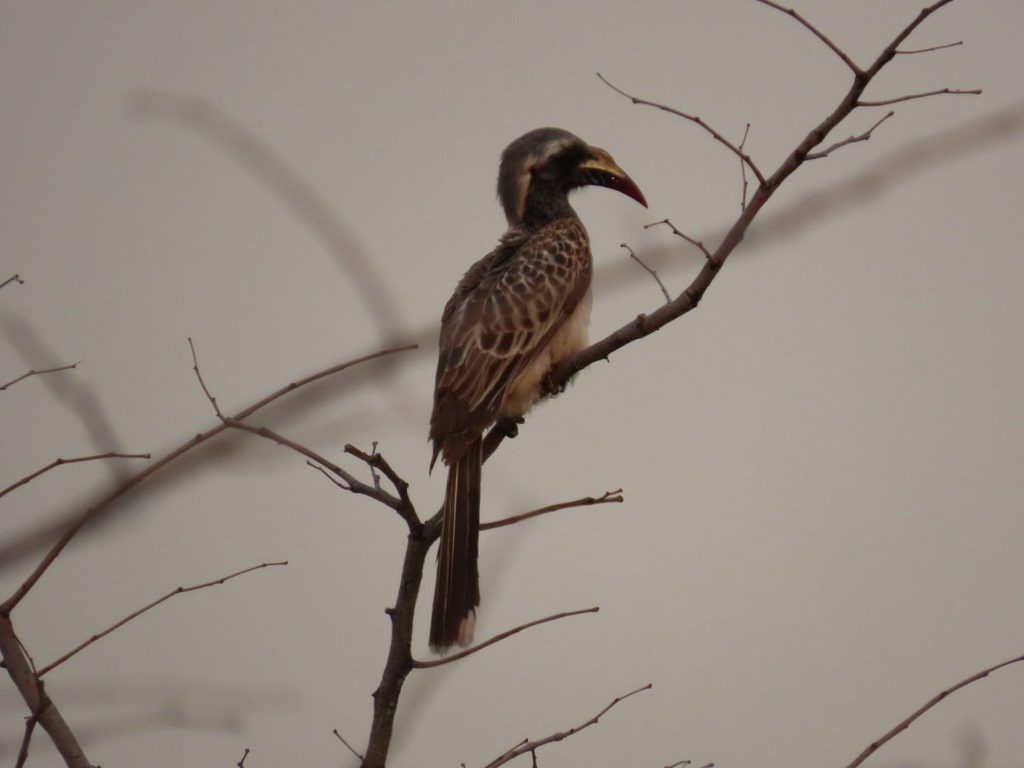
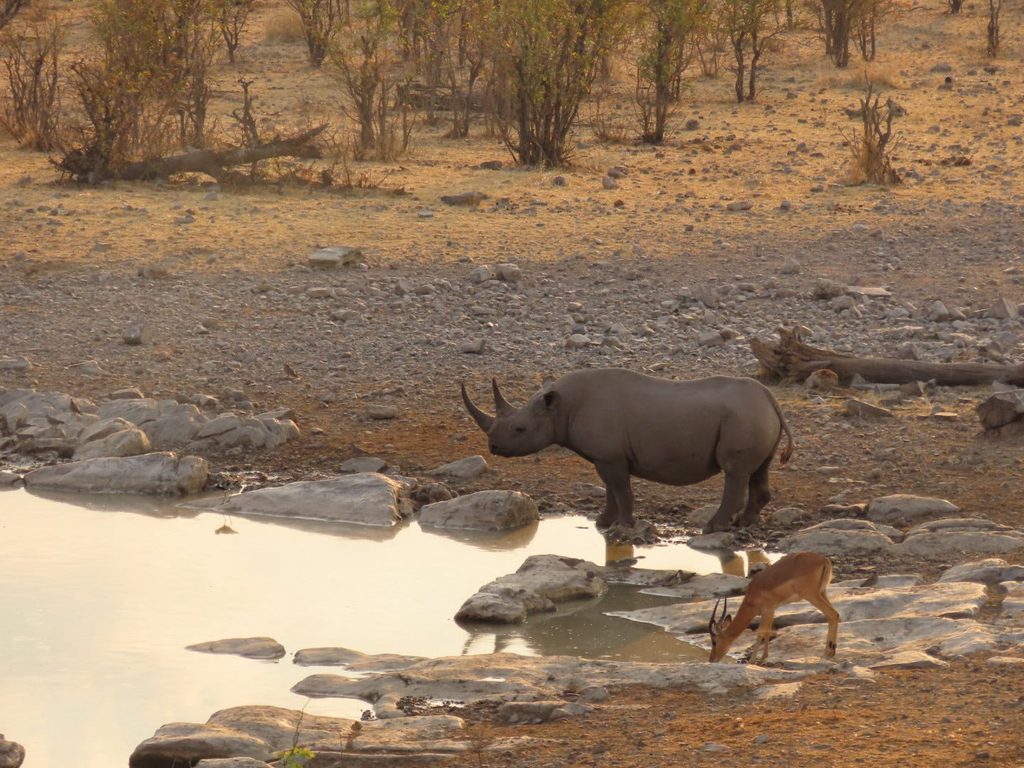
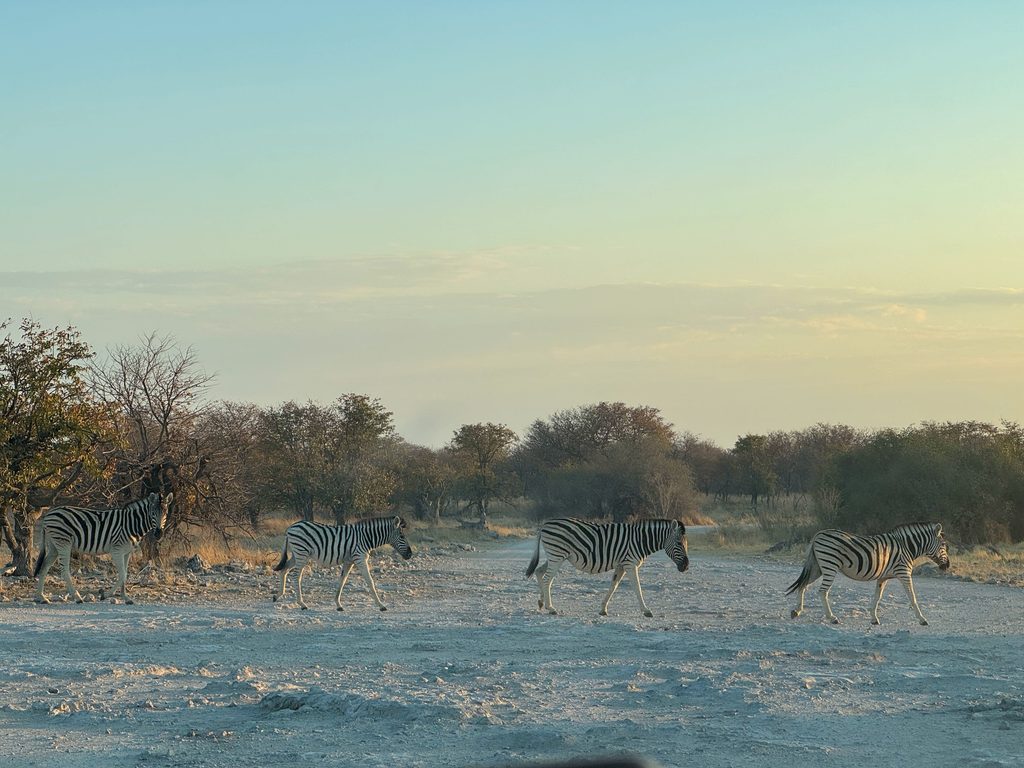
Where to stay:
All the campsites here are owned by the NWR: the most famous are Okaukeujo, Halali and Namutomi. All 3 are great for different reasons and all 3 have their own watering hole so you can continue watching the wildlife even inside your campsite. Wherever you go, aim to book your spot 6 months in advance as they will become fully booked in peak season.
Day 5: Damaraland
Drive Time: Andersson Gate (Etosha) → Brandberg White Lady Lodge, Damaraland: 4h.
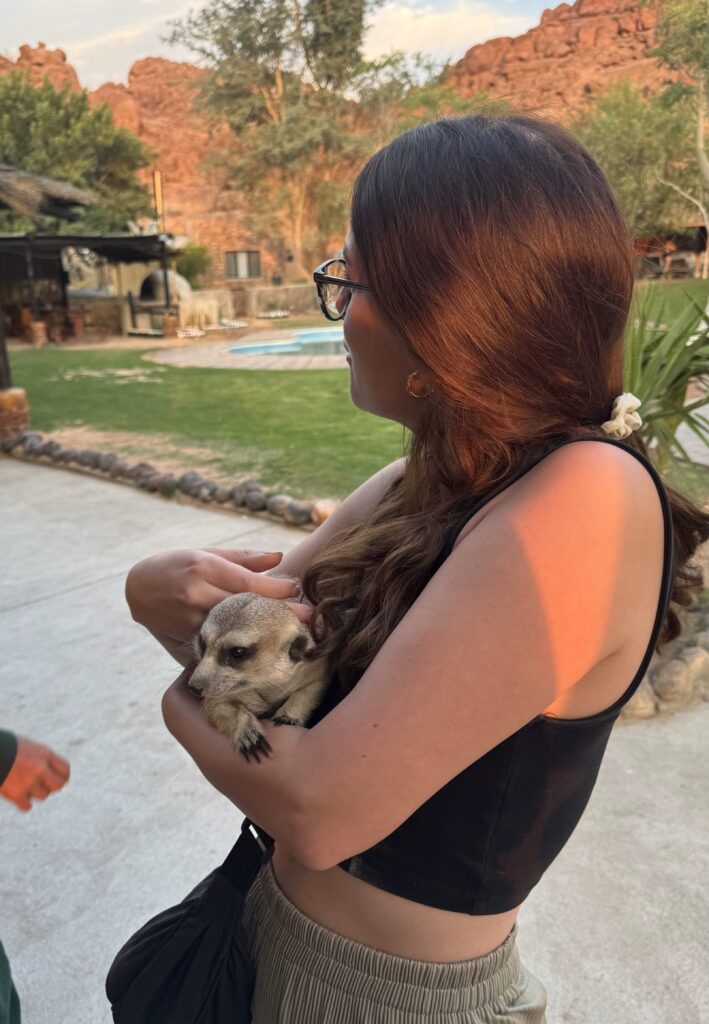
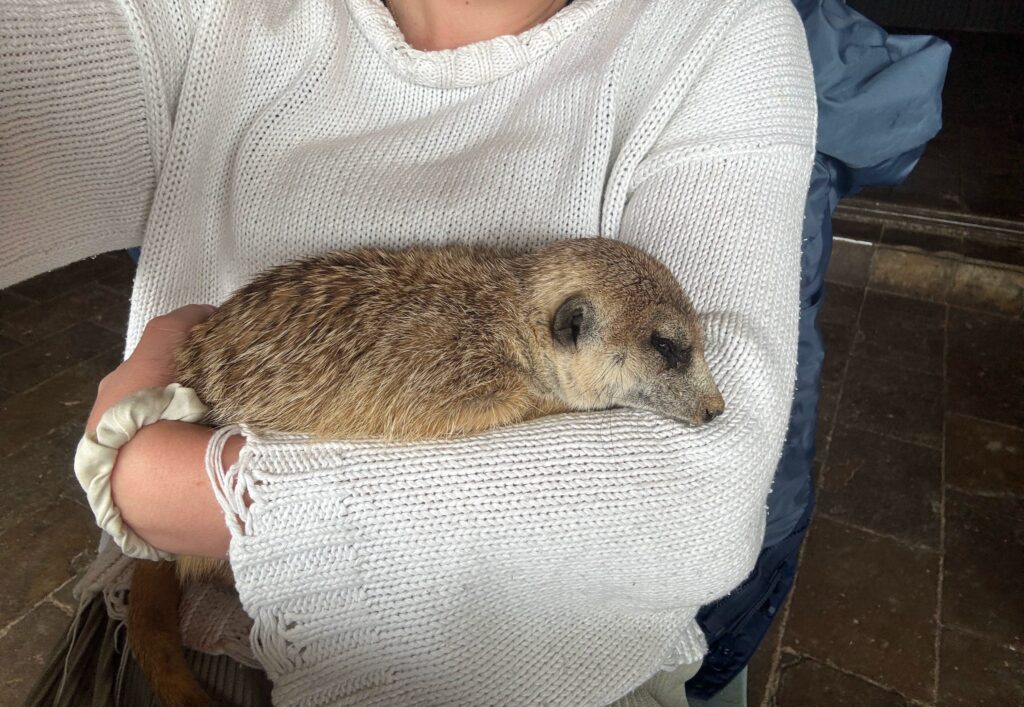
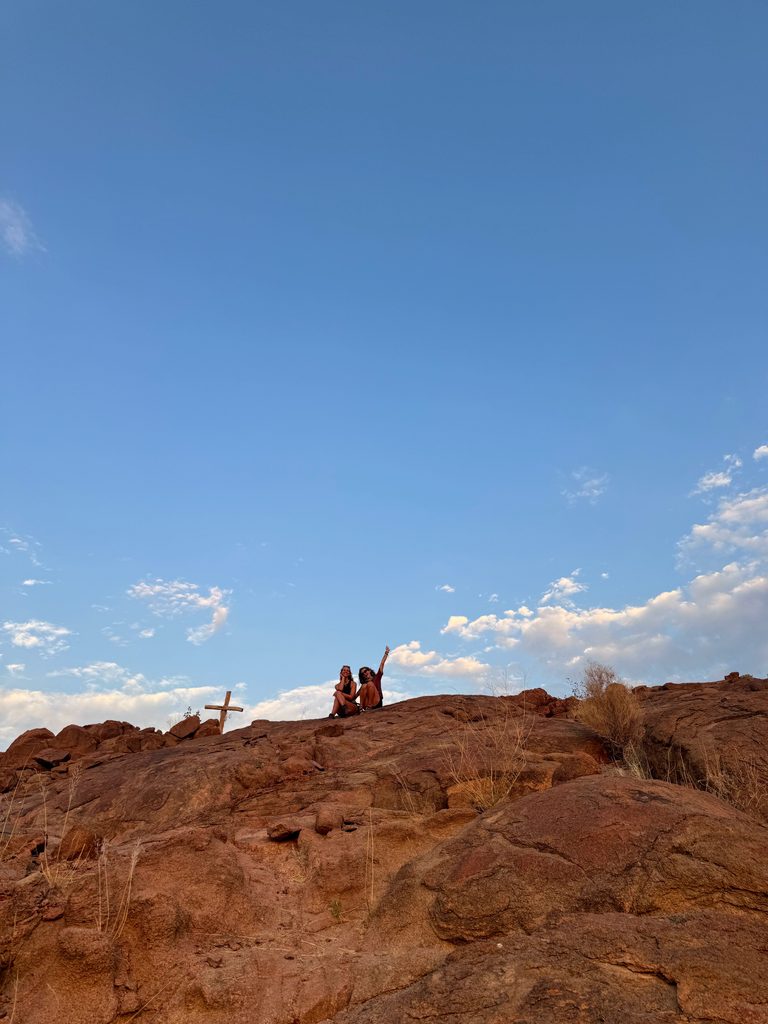
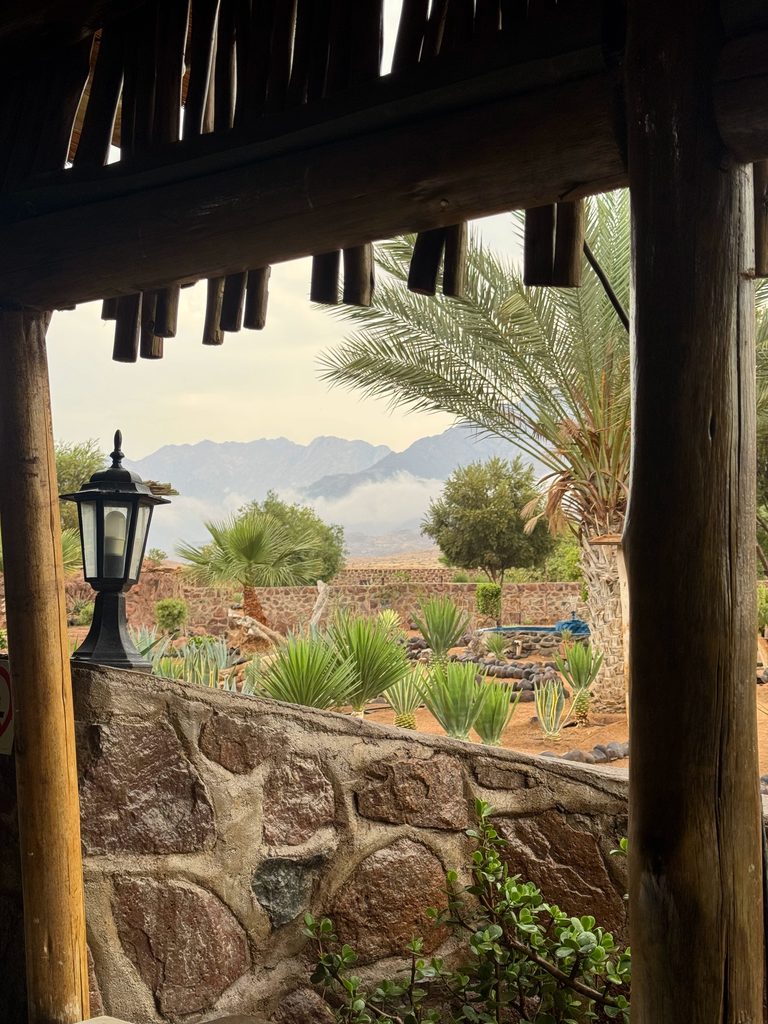
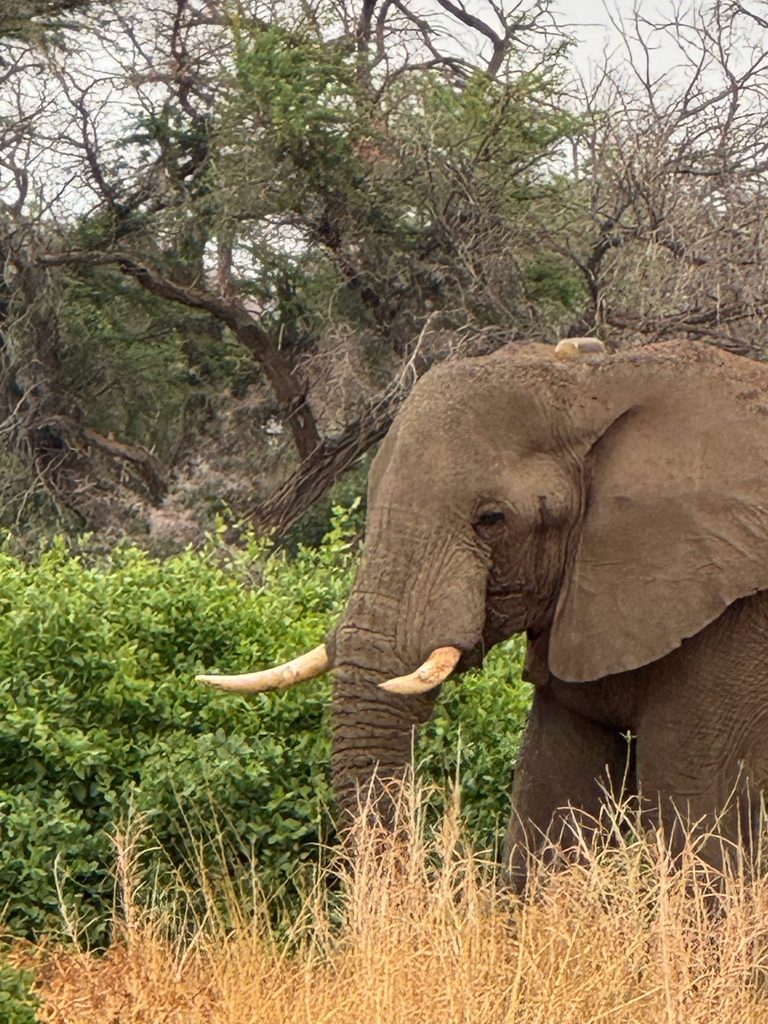
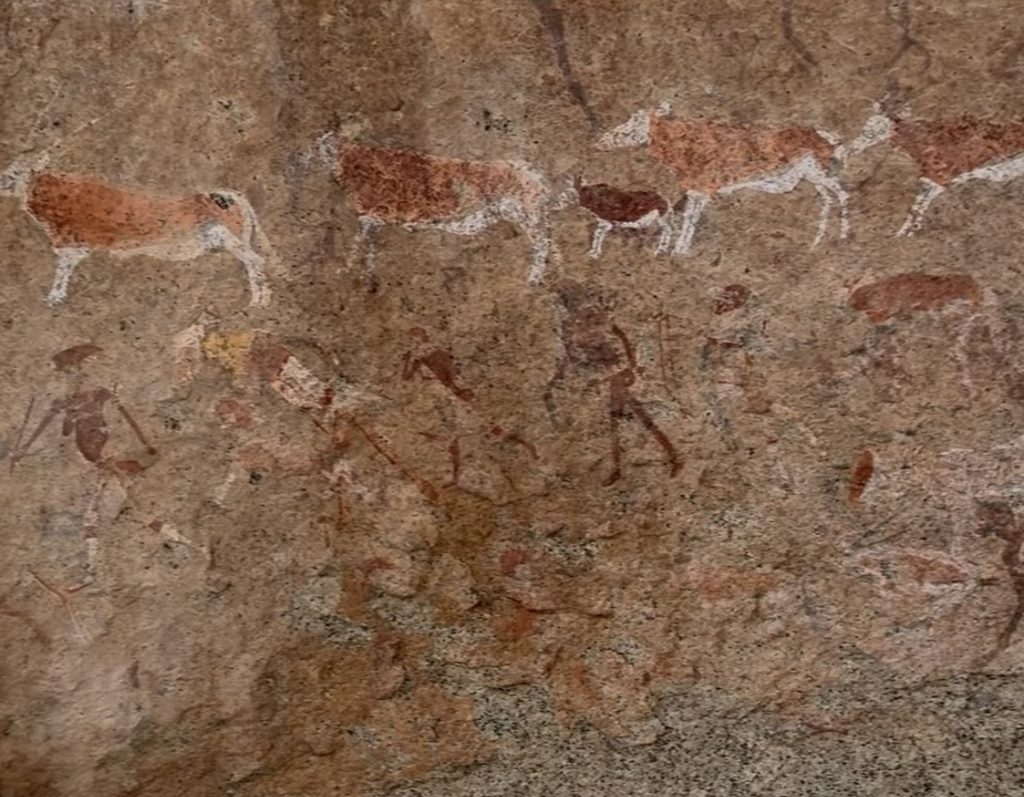
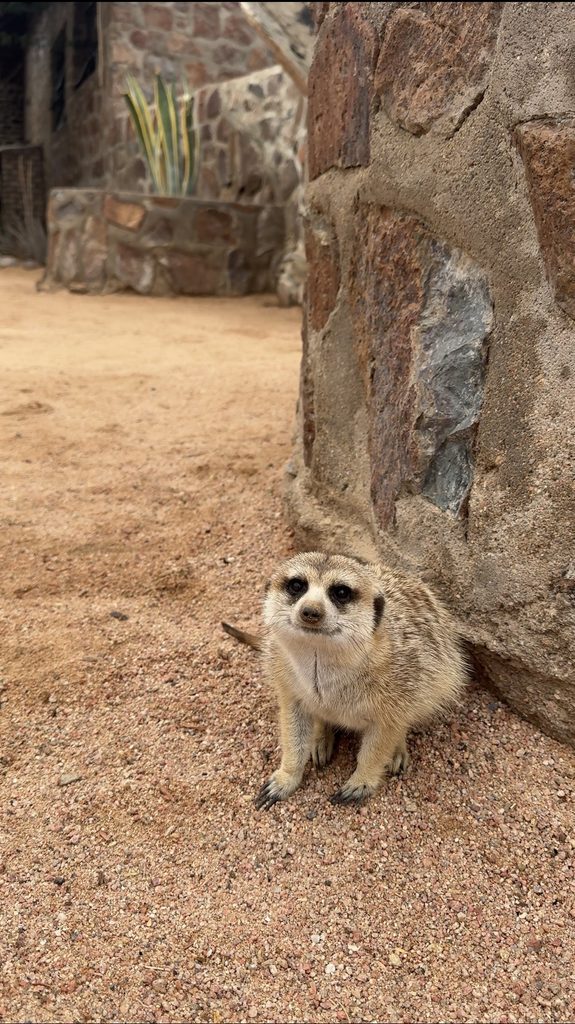
I’m going to be honest, the main reason I wanted to come here was to get to hug a meerkat called Mila that this lodge rescued. As you can see from the photos, she fell asleep in my arms so this place was well worth coming to. In fact, I would say it exceeded my expectations- first of the views of Brandberg Mountain on the drive here were insane and the lodge itself was also beautiful: rare desert elephants roamed around the campsite and the gardens and pool areas were great! This is also the place to come to go on a small hike to see some famous 2000 year old rock paintings.
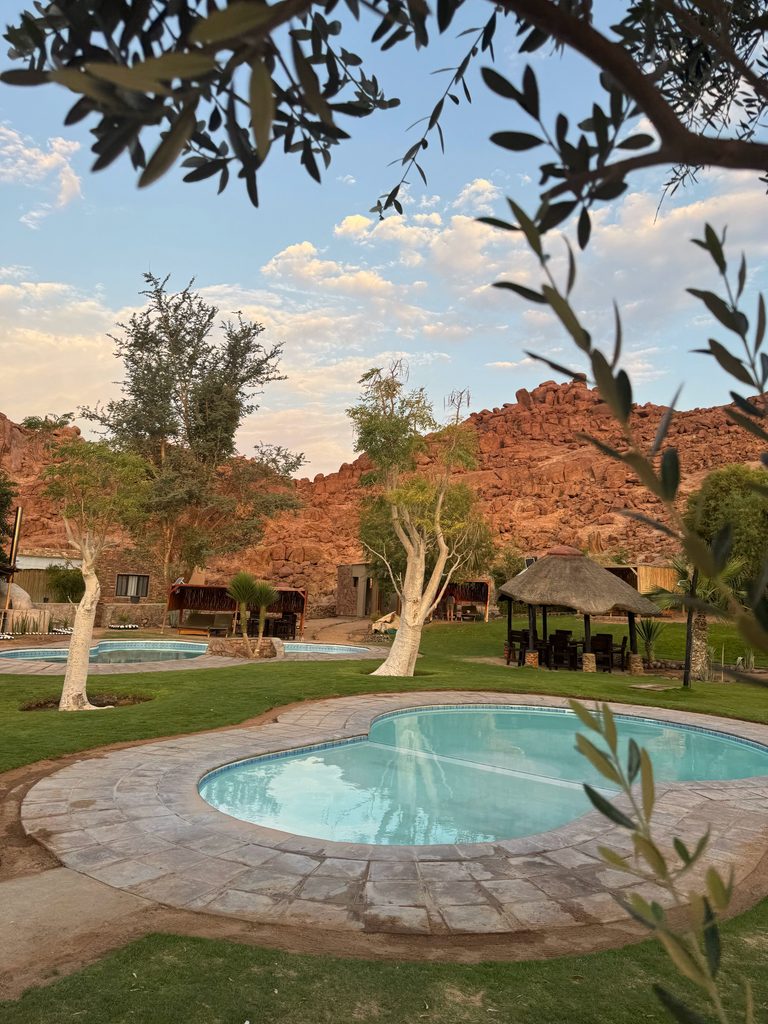
Where to stay:
Day 6 : Spitzkoppe
Brandberg White Lady Lodge → Spitzkoppe: 2h15.
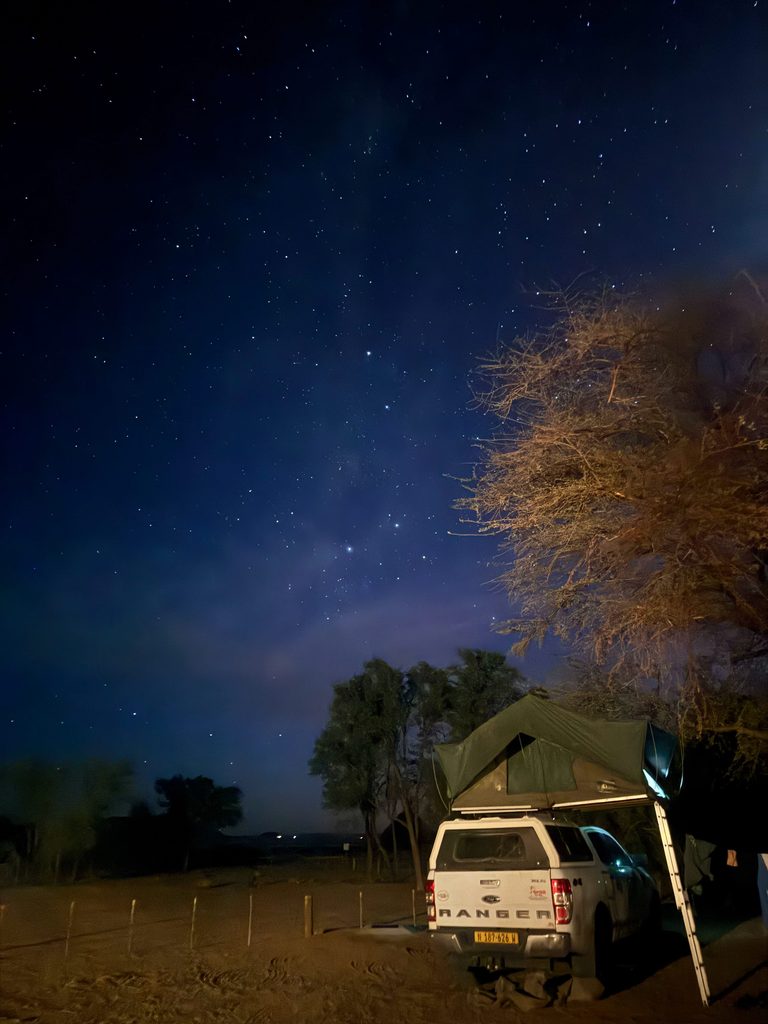
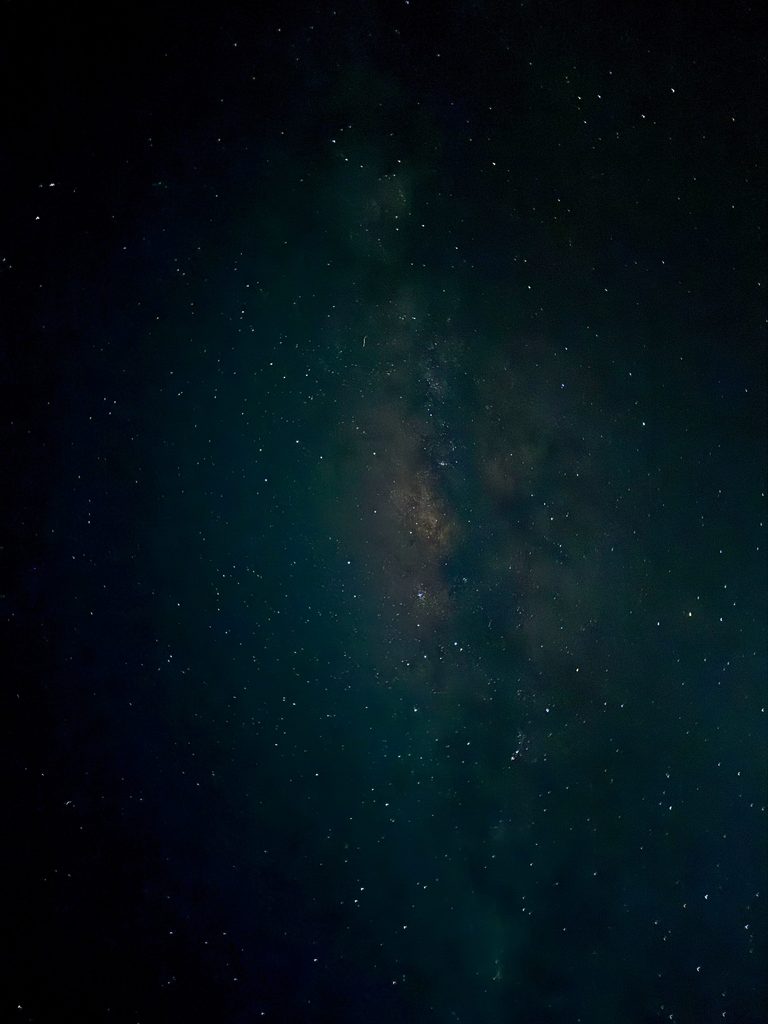
If you want to feel completely alone in the middle of the desert surrounded by nothing but stars, then Spitzkoppe is your place. It’s only a short detour on your way to the coast so well worth the visit!
Where to stay:
Day 7-8: Swakopmund
Spitzkoppe → Swakopmund (via skeleton coast): 2h20.
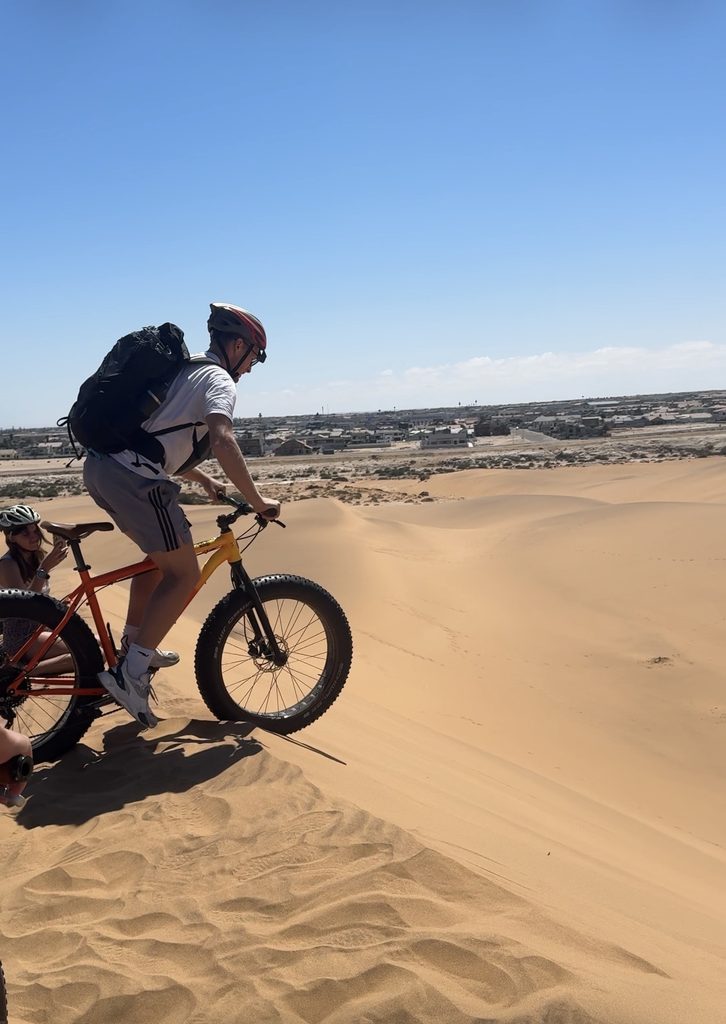
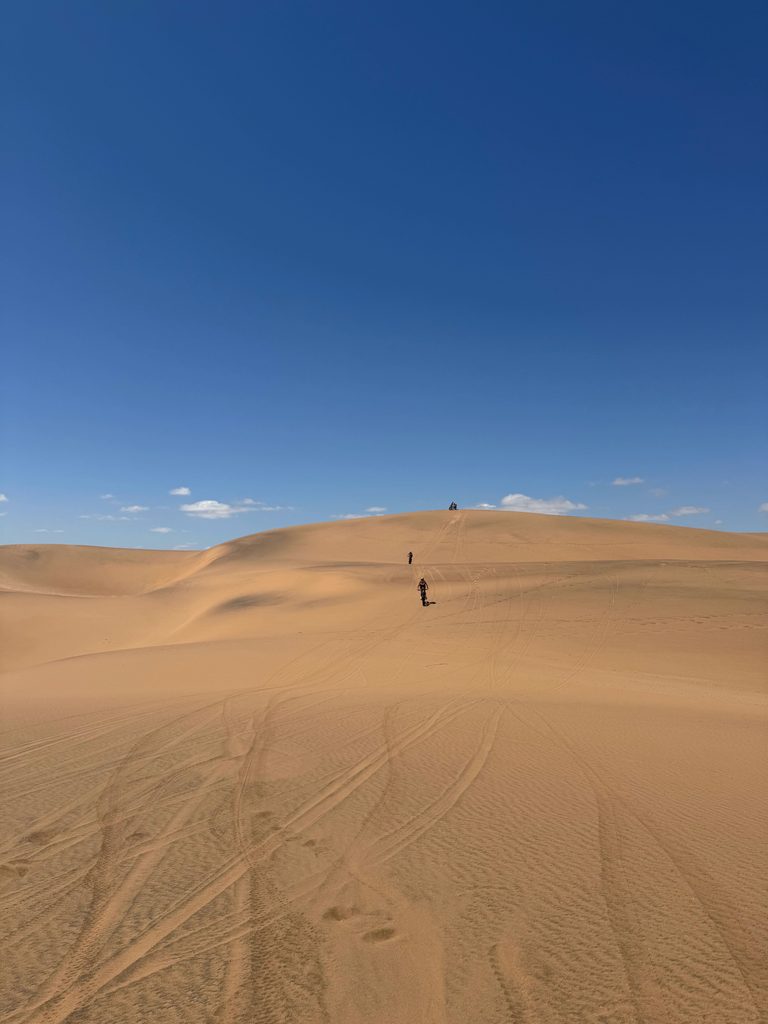
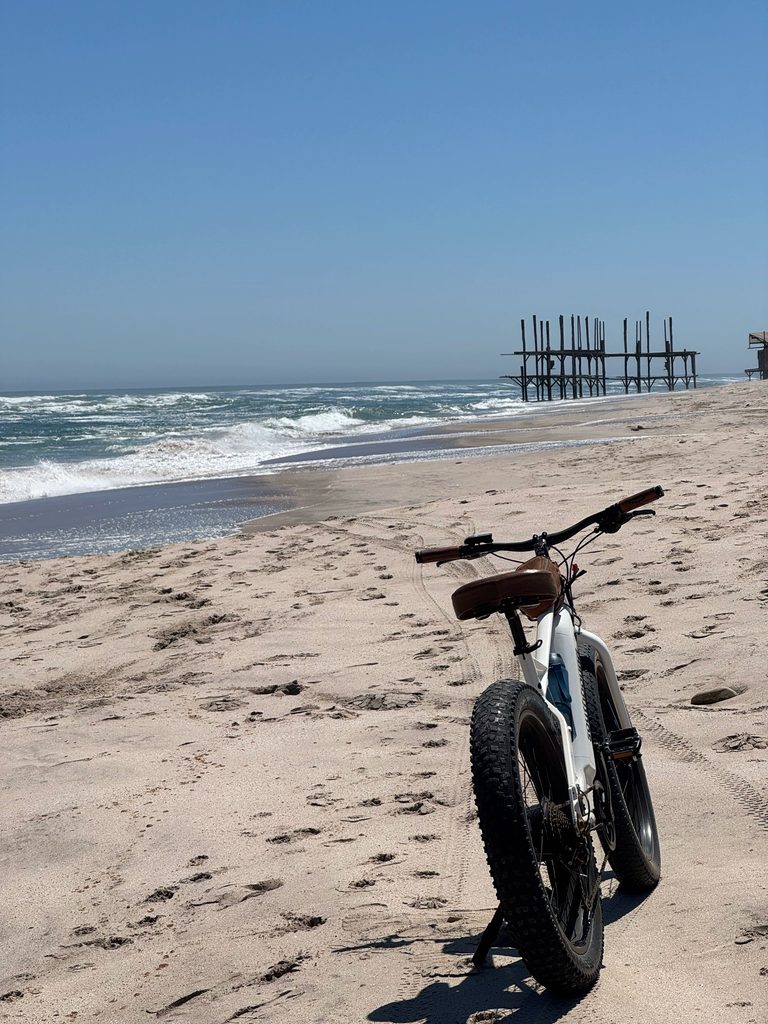
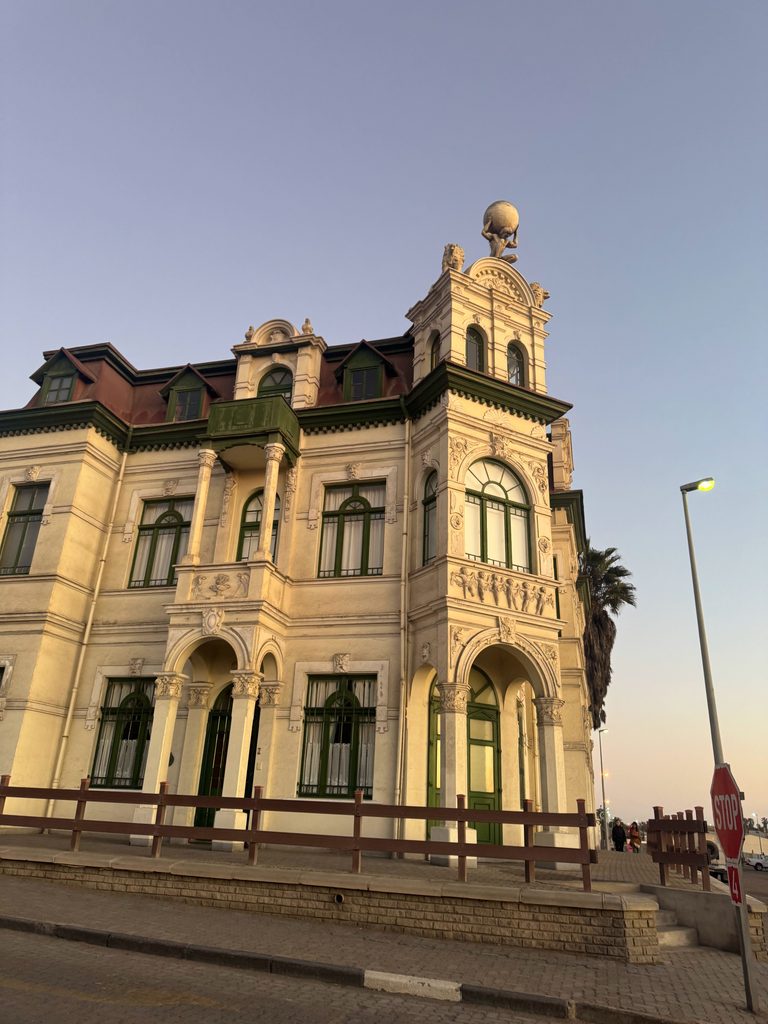
This is the adventure capital of Namibia and there are so many cool things to do here: from kayaking with seals, to visiting the iconic Sandwich Harbour to E-bike Tours in the vast dunes to Quad Biking and Sandboarding Tours. If you have more time in Namibia, I would recommend to stay for at least 2-3 full days!
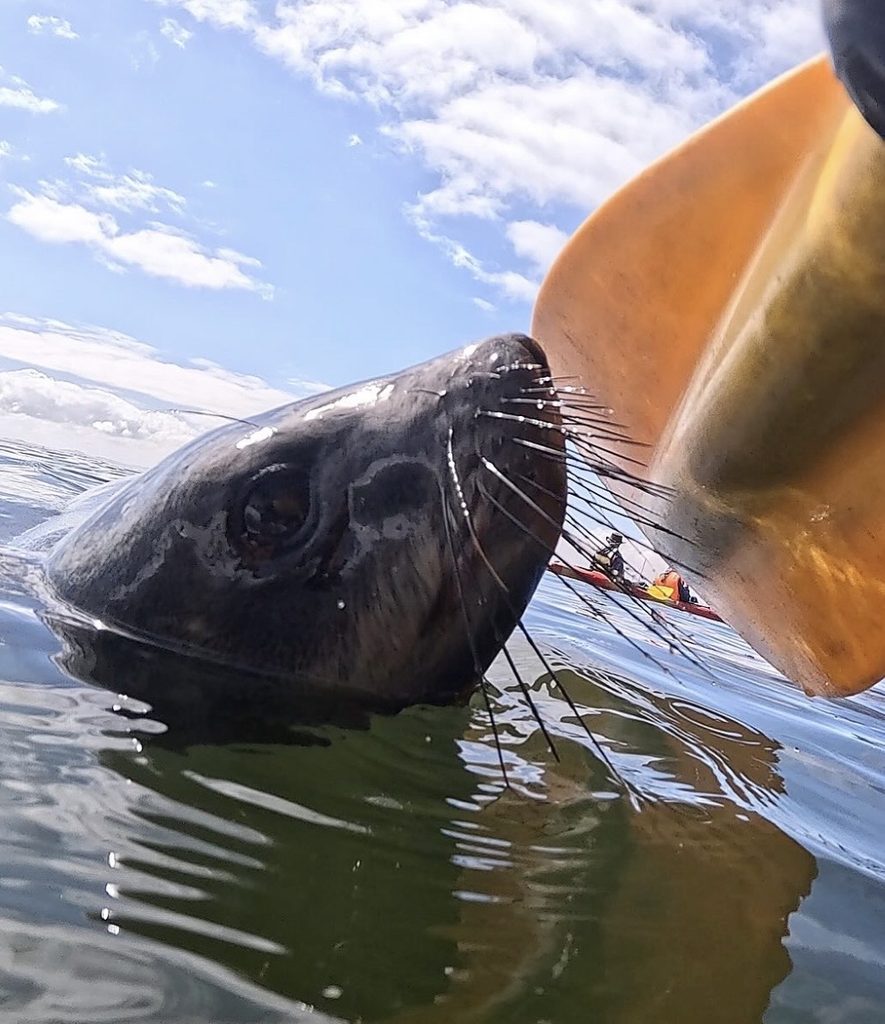
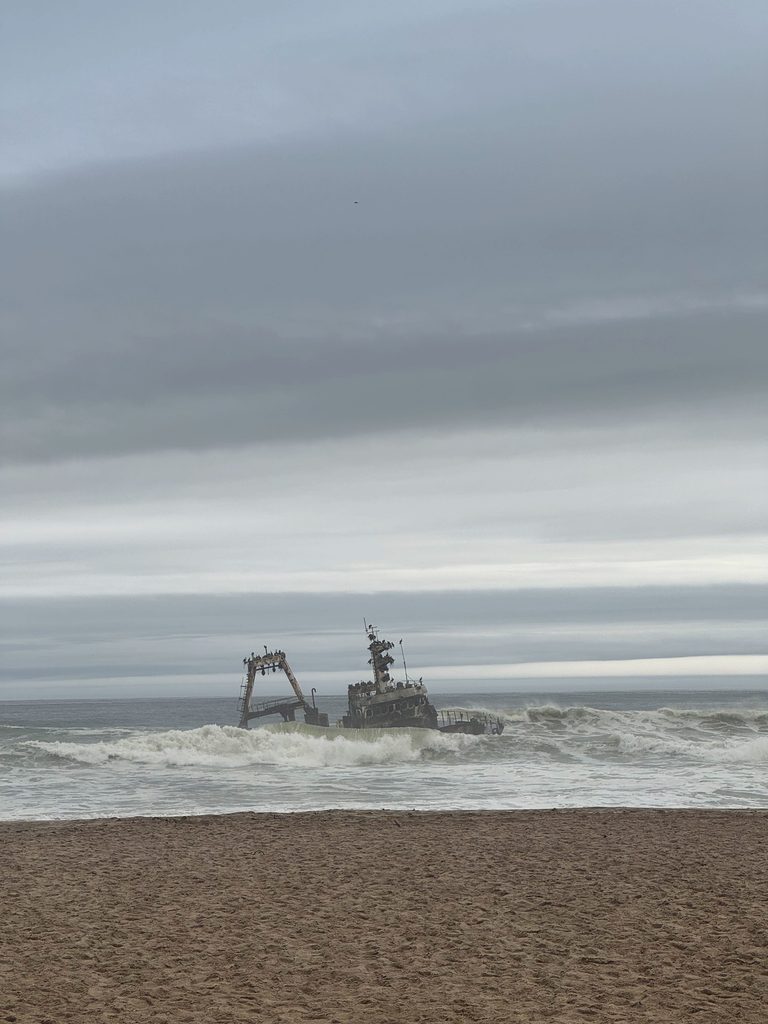
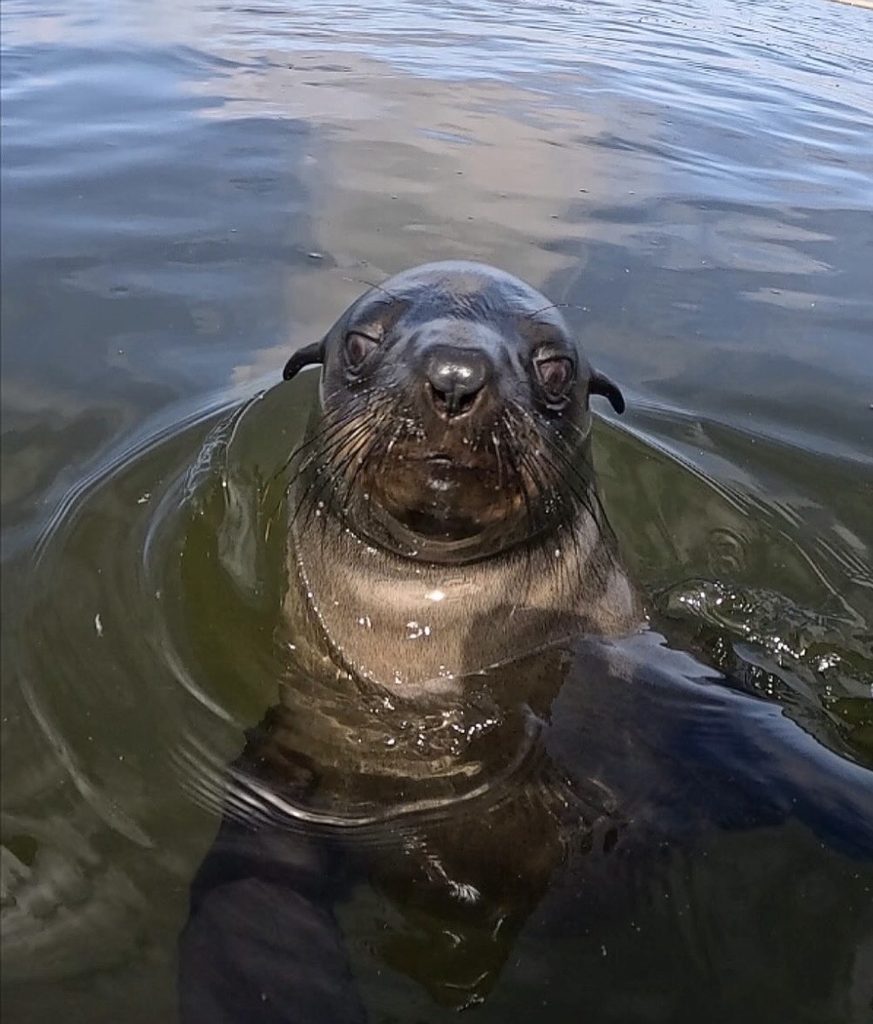
This is also a great place to go souvenir shopping and to eat out. We went to Ankerplatz and Kucki’s Pub and ate great food! I’m a vegetarian but my husband and friends tried Springbok steak and apparently it’s amazing.
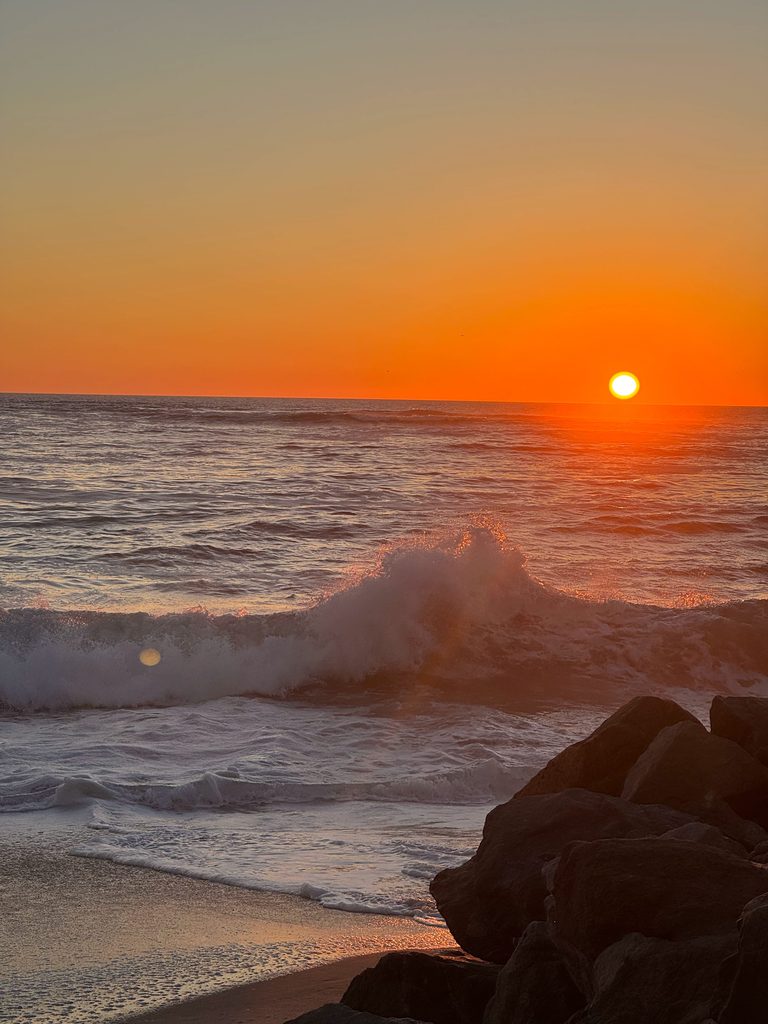
Where to stay:
Camping: Tiger Reef Campsite
Hotel: Hansa Hotel Swakopmund
Day 9-10: Sesriem
Swakopmund → Sesriem: 4h45.
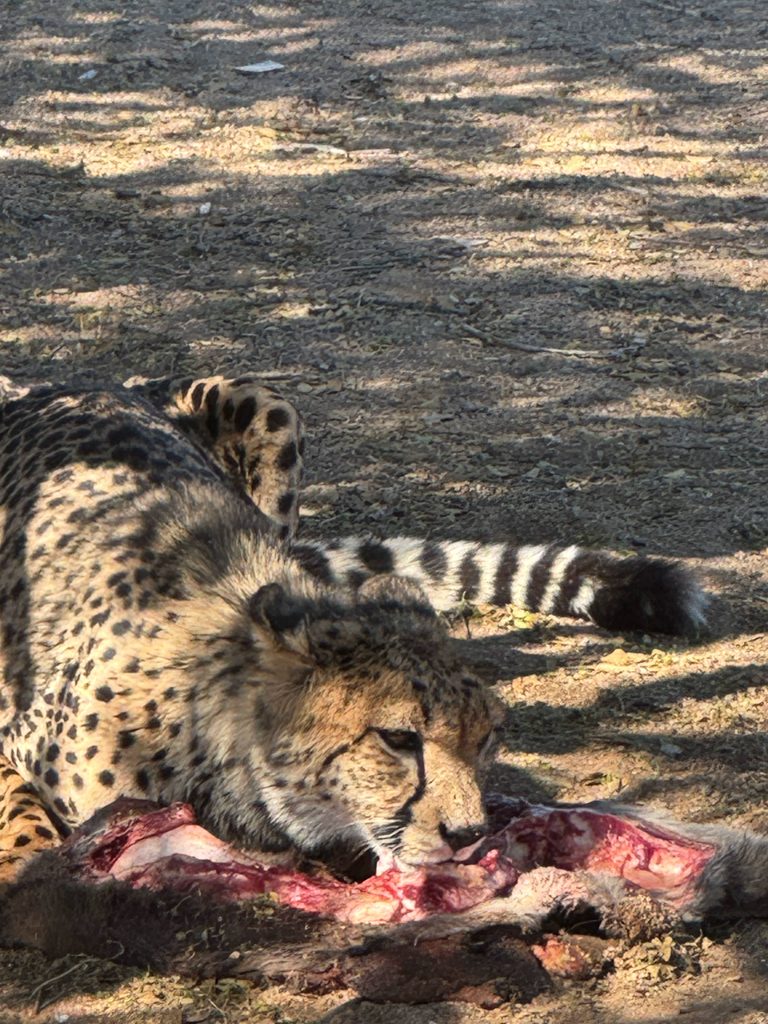
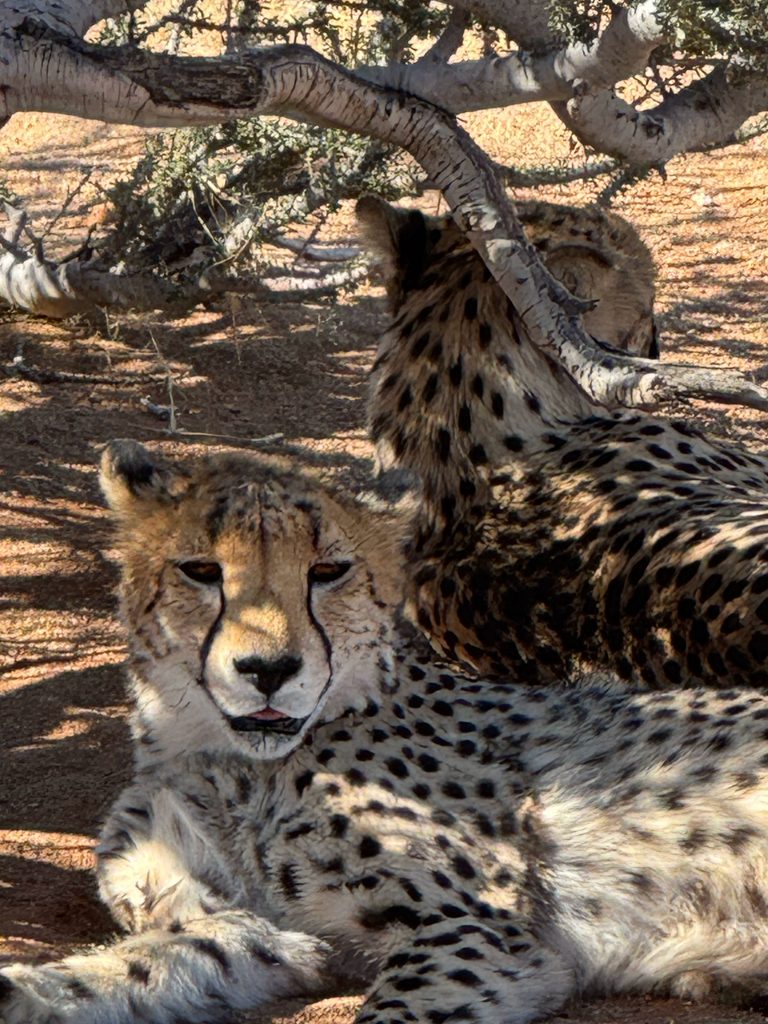
Make sure to stop off at Solitaire Desert Farm en route here to try out their award-winning Apple Pie! And if you didn’t see enough Cheetah in Etosha, they also have a Cheetah sanctuary here where you can do a 1 hour game drive tour for only £19/$25 per person.
Where to stay:
If you have the budget and are desperate to climb Big Daddy Dune for sunrise, make sure to stay inside the gate at Sesriem Campsite.
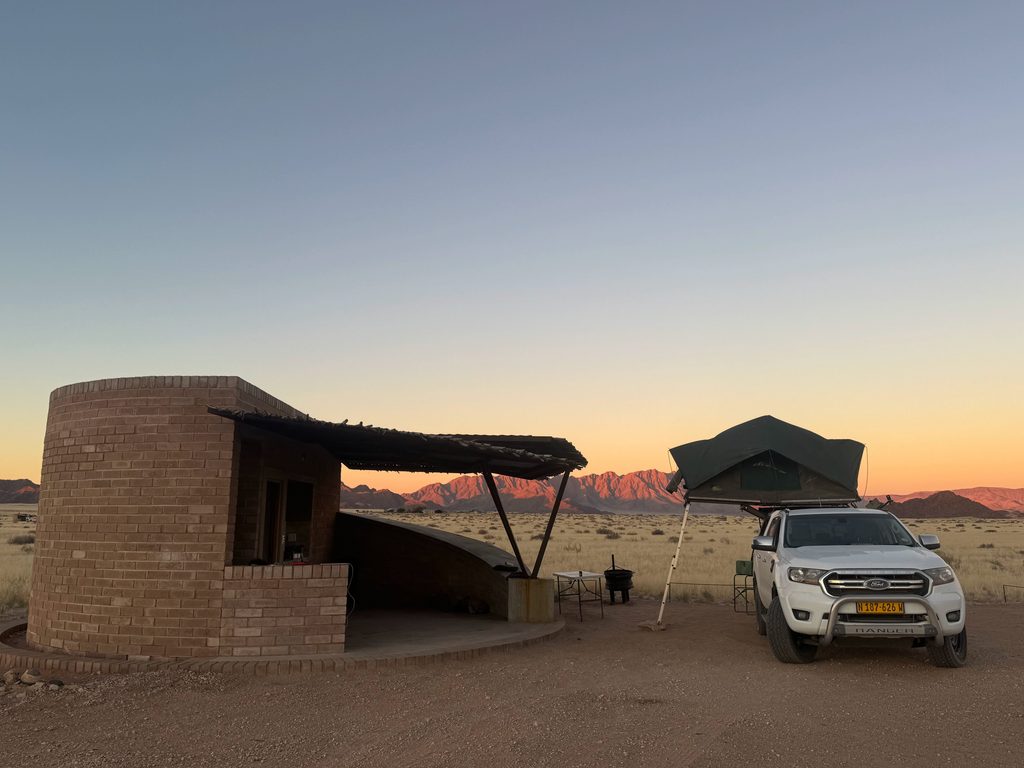
For those who are less fussed about this, stay just outside the gate at Sossus Oasis Campsite. This is where we stayed and our private camping toilet/kitchen area was brand new!
Day 10: Sossusvlei and return to Windhoek
Sesriem → Sossusvlei → Windhoek: 6h-7h.
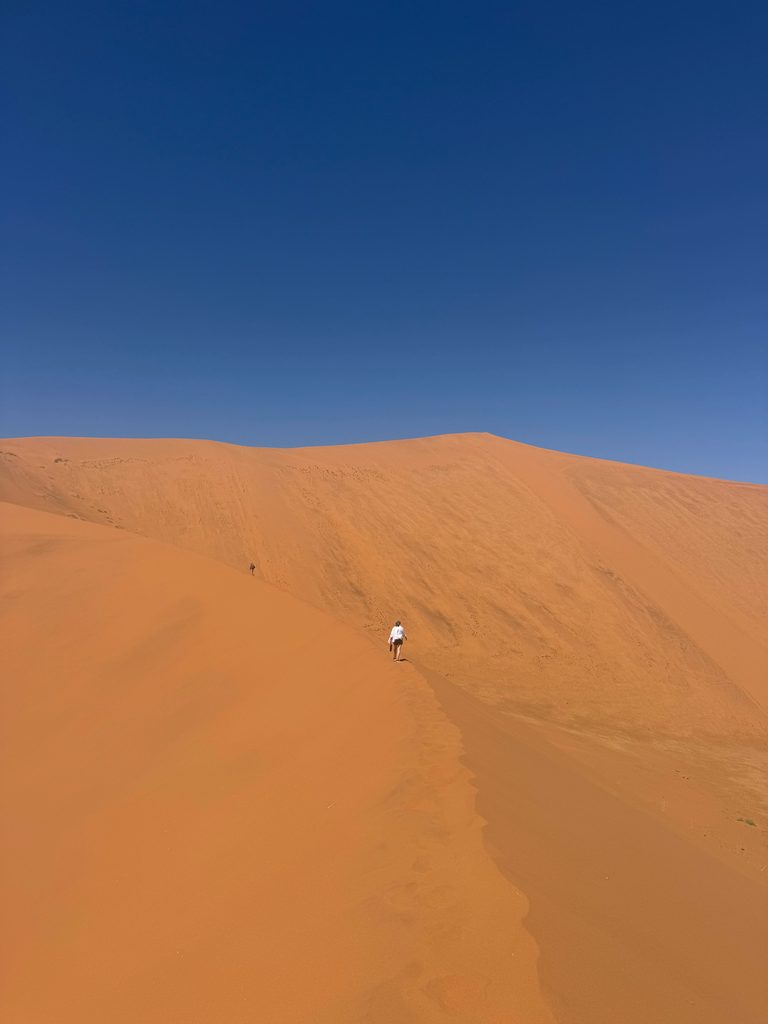
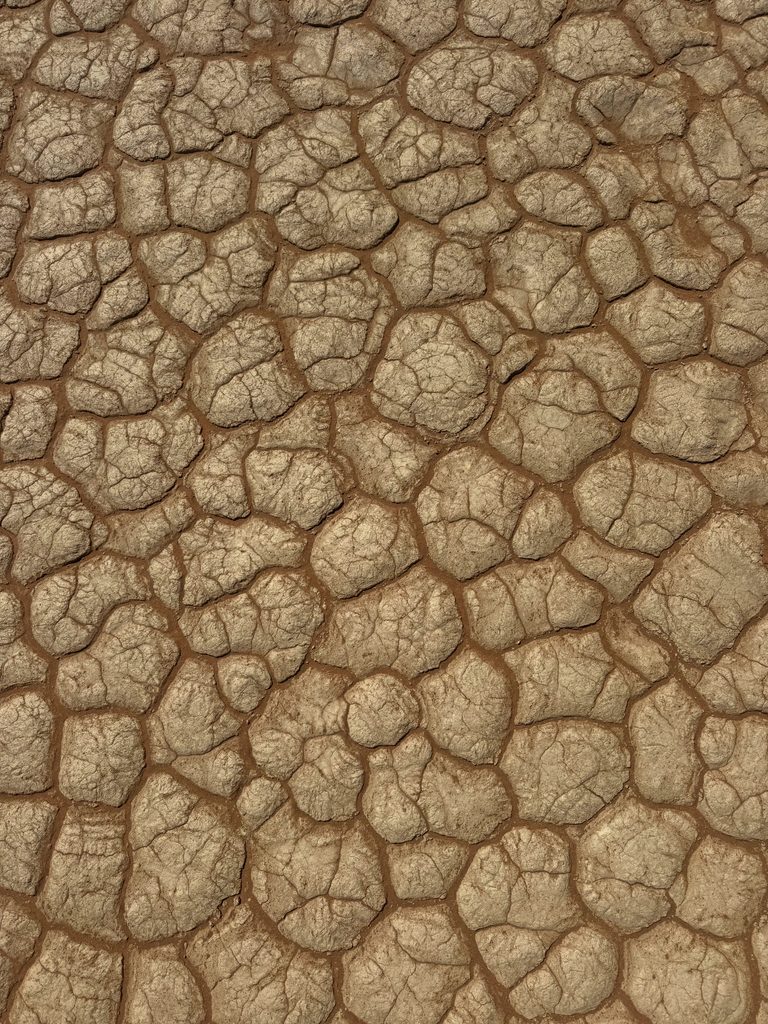
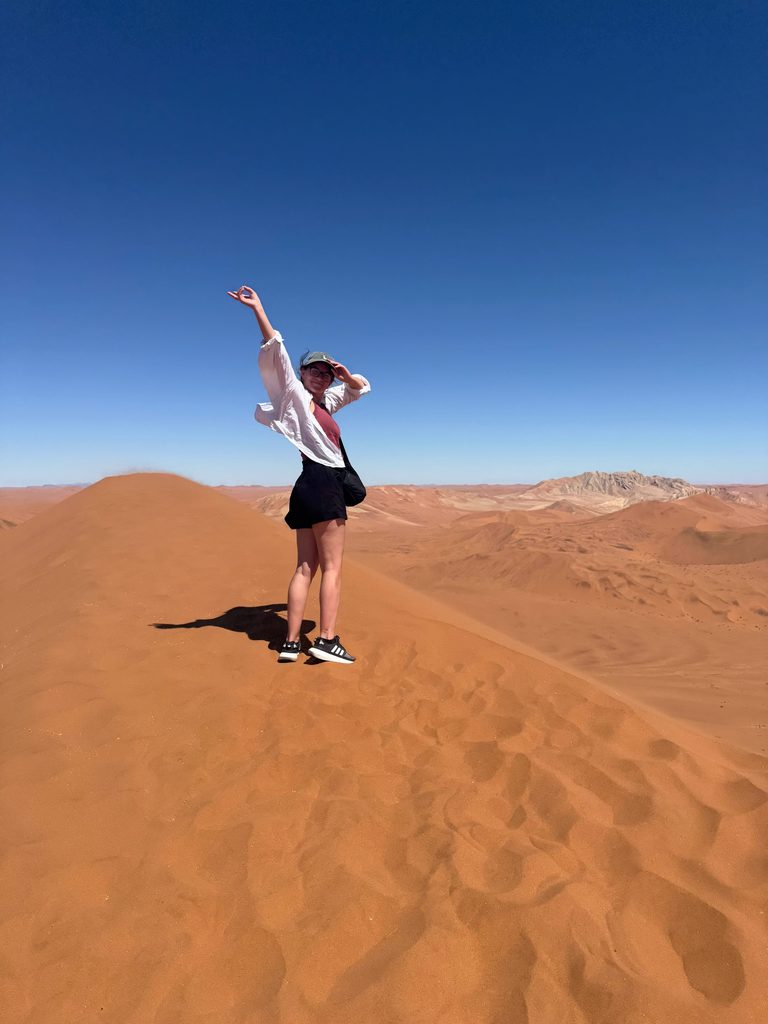
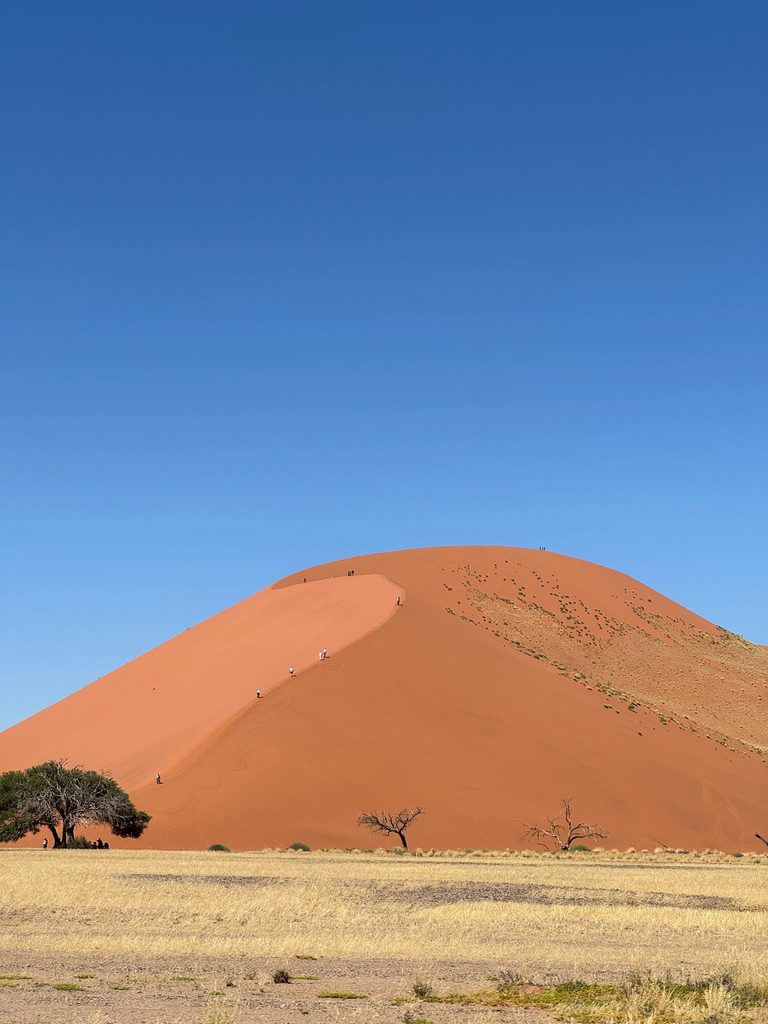
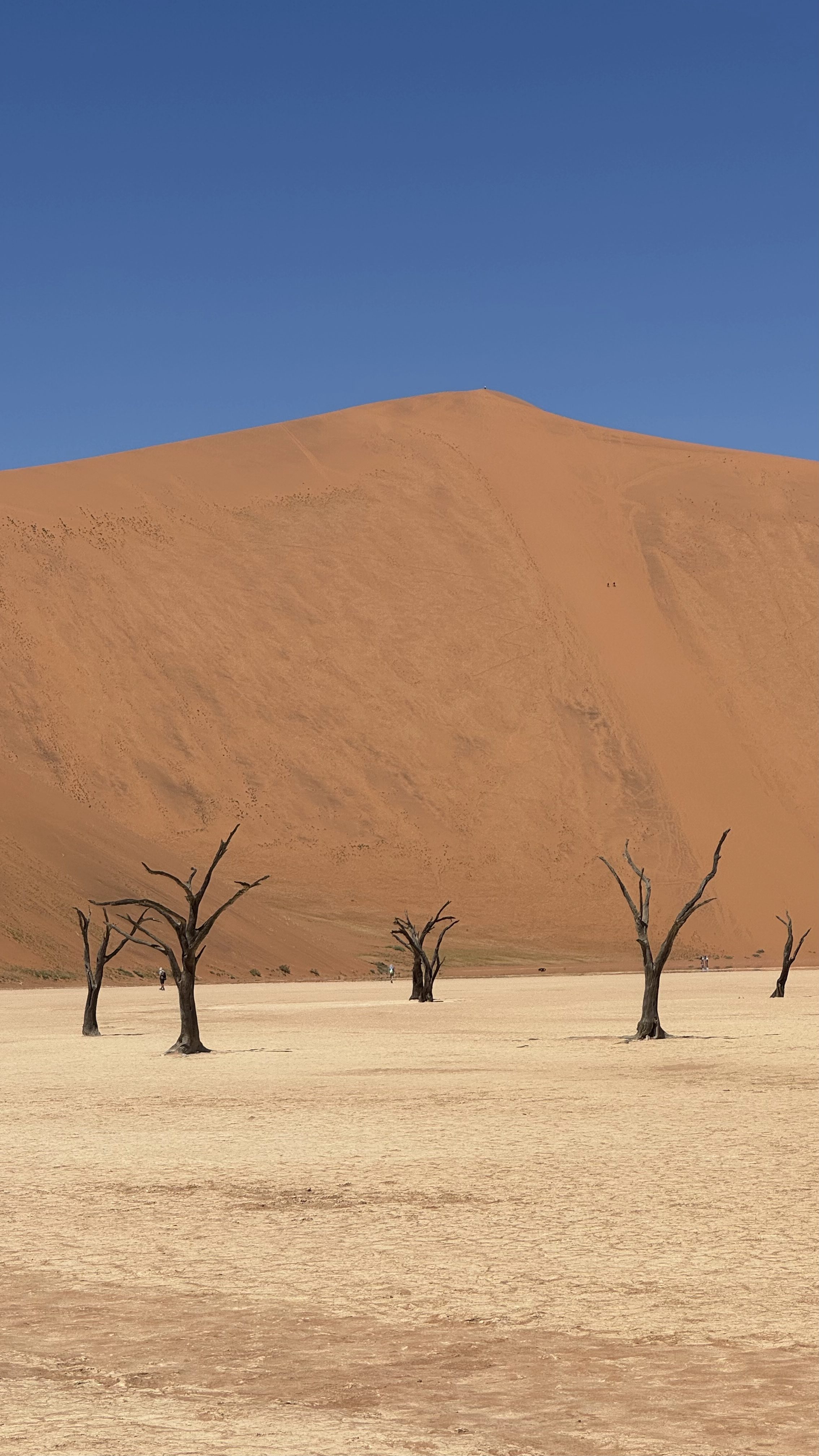
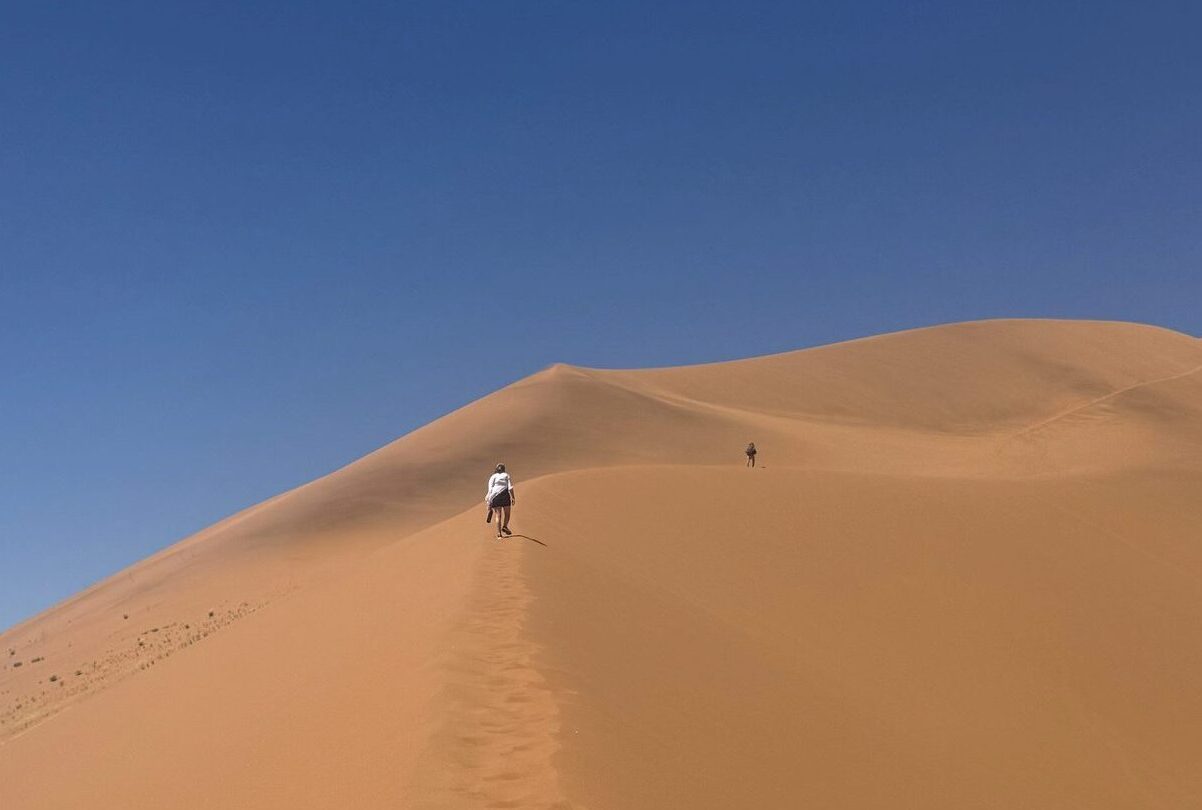
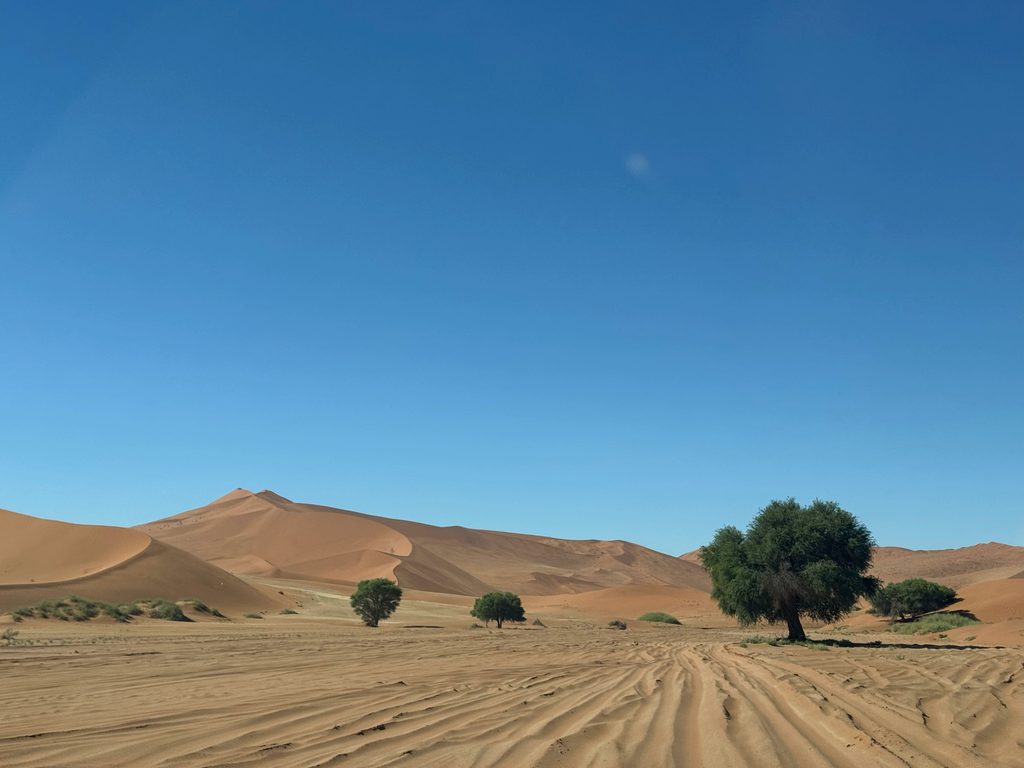
Time to wake up early go and visit the iconic Sossusvlei. Depending on the time of year, the outer gate opens between 6-6:45am and closes at 6pm. Most people try and go very early in the morning but we made the controversial decision to go later in the morning as we’d heard the crowds climbing Big Daddy for sunrise were insane. There are pros and cons to both options but we didn’t regret our decision. The exact time of day you visit is ultimately up to you but your visit will look something like this once you have entered the National Park:
- A 1 hour drive to Big Daddy (the last 10 minutes is in deep sand so if you’re not experienced off-roader with a 4×4, take the shuttle from the 2×4 car park).
- A 1 hour hike up Big Daddy followed by a 5 minute super fun run back down. It’s best to do this hike at some point in the morning before the sun and sand get too hot.
- The hike starts and ends in the insta-famous Deadvlei. Make sure you give yourself time to take plenty of photos here (I recommend doing it before you work up a sweat on the hike!)
- Drive 1 hour back to the gate, with the optional 10 minute detour of visiting Sesriem Canyon.
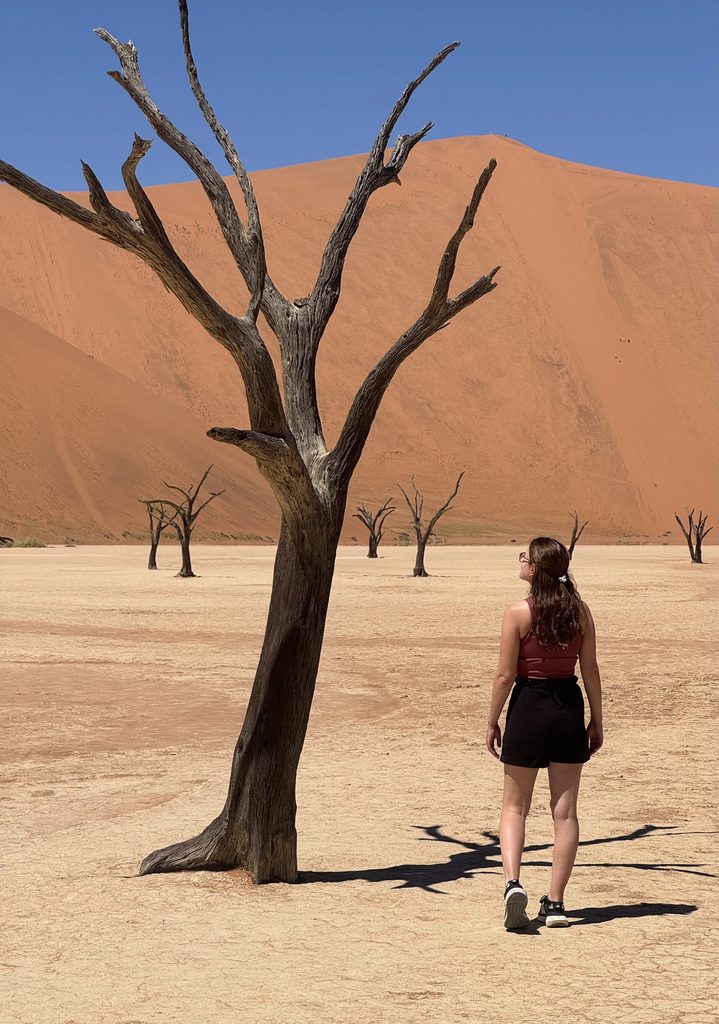
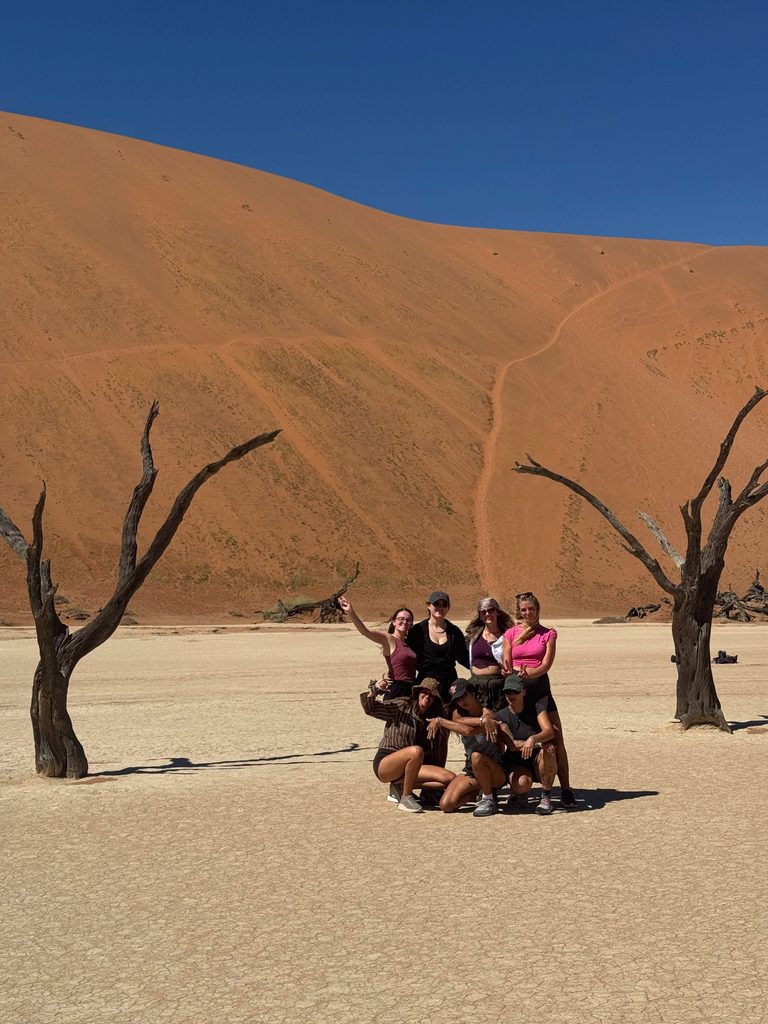
If you have time to spare, I would recommend staying in Sesriem an extra night but if 10 days is all you have, you will need to start driving back to Windhoek. I would recommend taking the road via the Spreetshoogte Pass as the views are crazy beautiful! Once your back in Windhoek, it’s sadly time to drop your rental car back and say goodbye to this breathtaking country
If you have an extra day in Windhoek, I would seriously recommend going to N/aan ku sê sanctuary. It’s the largest sanctuary in Namibia and they really take care of their animals: all of whom were either born in captivity or rescued from being put down. We did the Carnivore Feeding Tour and it was a wonderful way to end our trip in Namibia.
More time in Namibia?
If you’re lucky enough to have more than 10 days in this beautiful country, there are lots of options for places you can visit:
- Extra nights in Damaraland, Sossusvlei and Windhoek (as stated in the itinerary)
- Quiver Tree Forest
- Luderitz and Kolmanskop
- Fish River Canyon
- Waterberg Plateau
Namibia Travel Itinerary FAQs
Do I need a visa to visit Namibia?
For UK, EU and US citizens will need a tourist visas. You can either apply and pay for an eVisa in advance or get a visa on arrival (VOA) at the airport. Cost is the same at 1600 Namibian Dollars (£74/$99) for adults. We would recommend to get the eVisa before arriving but it is worth noting that the eVisa queue in immigration was a lot longer than the VOA queue.
What’s the best time to visit Namibia?
Dry season (May to October) offers more comfortable temperatures and is the best time to see wildlife as they tend to congregate around the waterholes.
How long do you need in Namibia?
10 days is enough to cover the highlights without feeling too rushed but in an ideal world, I would recommend 2 weeks here.
How do you get around Namibia?
Self-driving is the best way to see Namibia — a 4×4 is highly recommended given gravel roads and sometimes rough conditions outside major towns. I would recommend Hornbill Car Hire.
Is Namibia safe for a self-drive road trip?
Yes, completely safe. We had no issues with police scams or feeling unsafe walking around. In fact, Namibia is statistically one of the safest countries in Africa.
How do you stay connected in Namibia?
We discovered that pre-purchased eSIMs were really expensive/were sold out so decided it was best to get an eSIM at an MTC store the day we arrived. Hornbill picked us up from the airport for free so we didn’t need to worry about finding our own way to get the hire car without internet connection.
What language do they speak in Namibia, and will I have communication issues?
English is Namibia’s official language.
Do I need any vaccinations for Namibia?
You may need Malaria tablets for visiting Etosha region. Everywhere south of here is malaria free. They also recommend Tetanus, Hep A, MMR and Typhoid vaccinations. A Yellow Fever vaccination certificate is only required if you are arriving from or transiting (for over 12 hours) through a country with a risk of yellow fever transmission e.g. Kenya and Ethiopia.
I hope that this 10 Day Namibia Travel Itinerary has been useful for you! Make sure to check out my Namibia Page and do let me know if you have any further questions about this beautiful part of the world.
Did you know that… This post contains affiliate links – if you book through them, I may earn a small commission at no extra cost to you. Thank you for the support! ♥️